


Selecting cabinets is one of the most impactful decisions you’ll make in a kitchen or bathroom remodel, and at the heart of that choice is the wood species. Beyond color and style, the type of wood you choose will affect durability, cost, grain character, how it ages, and even how it responds to your climate.
Here’s a breakdown of the most common cabinet wood species and what makes each one unique, so you can feel confident in your final selection.
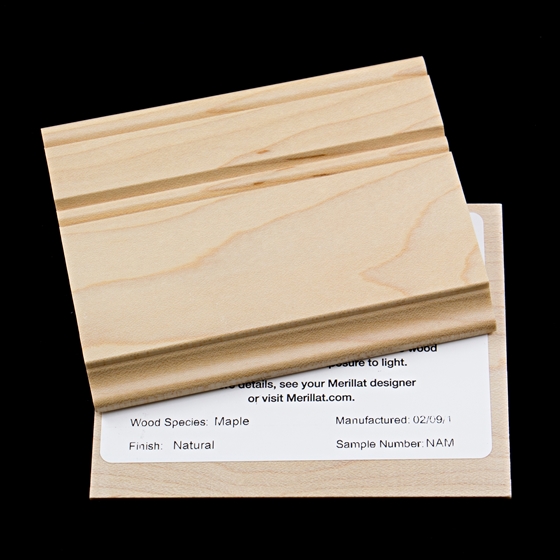
1. Maple: Smooth, Versatile, and Popular
Best for: Modern, transitional, and painted cabinets
Appearance: Fine, even grain with minimal knots
Color: Creamy white to light tan
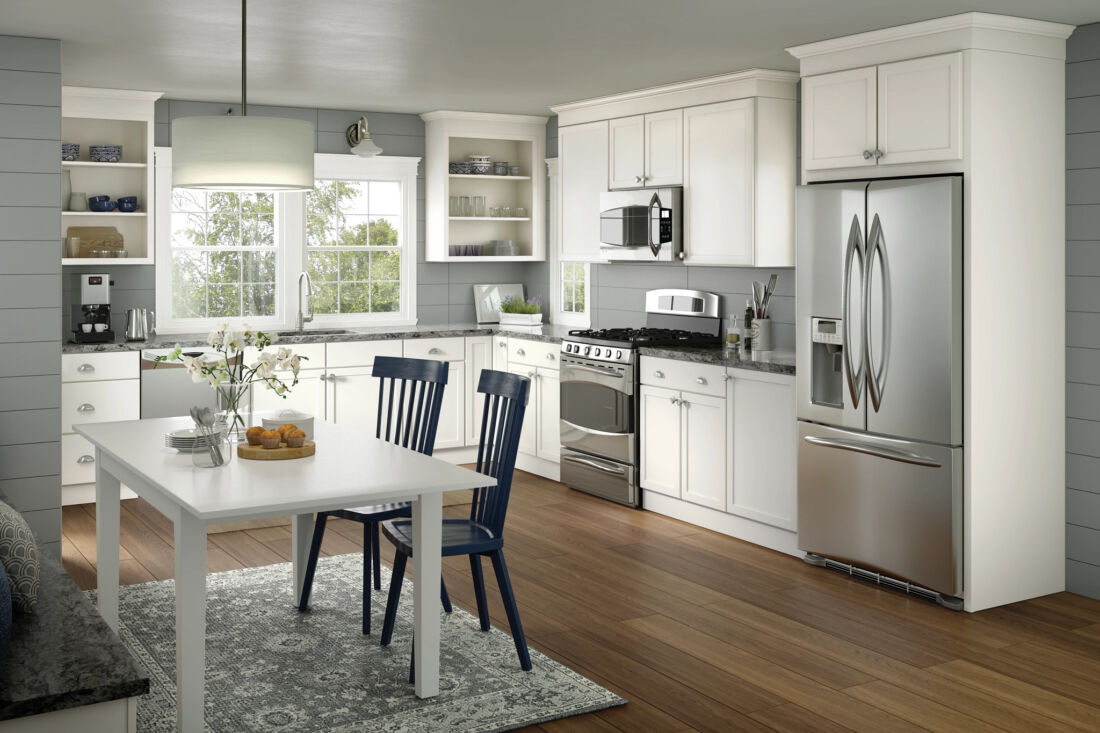
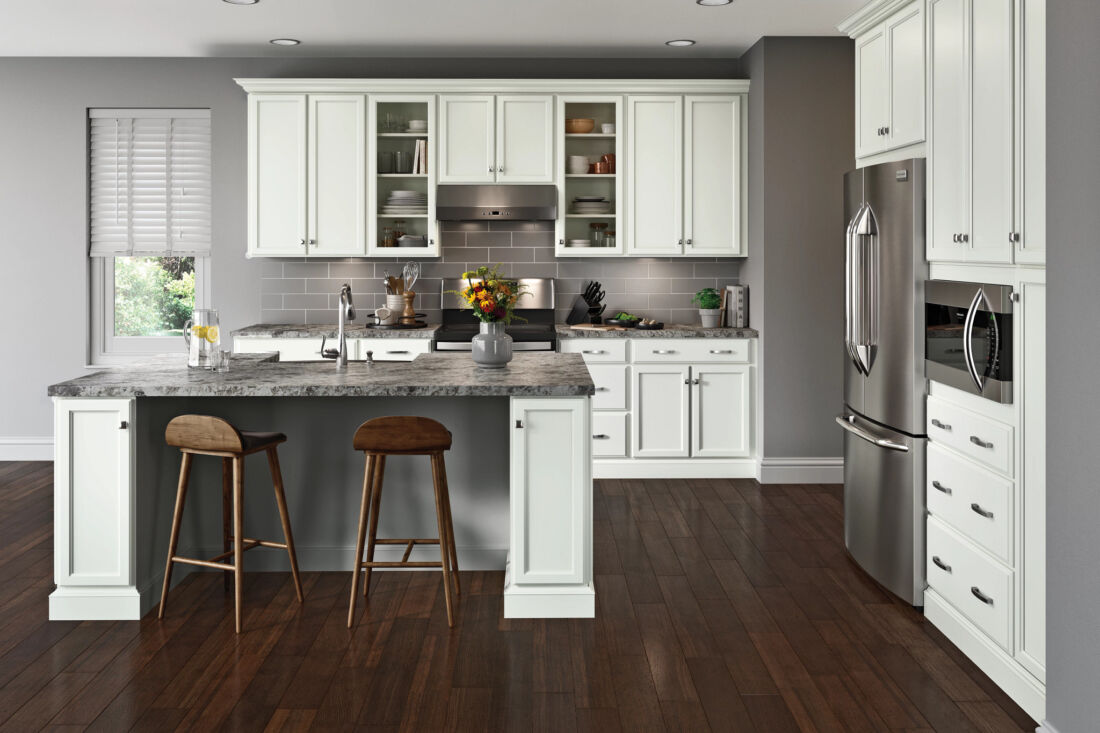
Maple is one of the most popular cabinet woods because of its uniform grain and ability to take paint exceptionally well. If you’re envisioning a clean, contemporary look, or you want flawless painted doors, maple is a top choice. It’s durable without being overly heavy and holds up well to everyday wear.
Pros:
✔ Smooth grain that suits modern styles
✔ Excellent for paint or light stains
✔ Strong and stable
Cons:
✘ Dark stains can sometimes look blotchy
✘ Slightly pricier than some alternatives
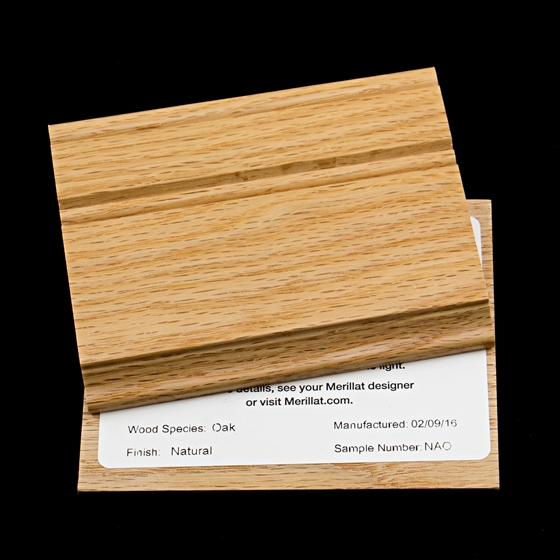
2. Oak: Classic, Strong, and Character-Rich
Best for: Traditional, rustic, or craftsman-style spaces
Appearance: Prominent grain with visible texture
Color: Varies from light golden to medium brown
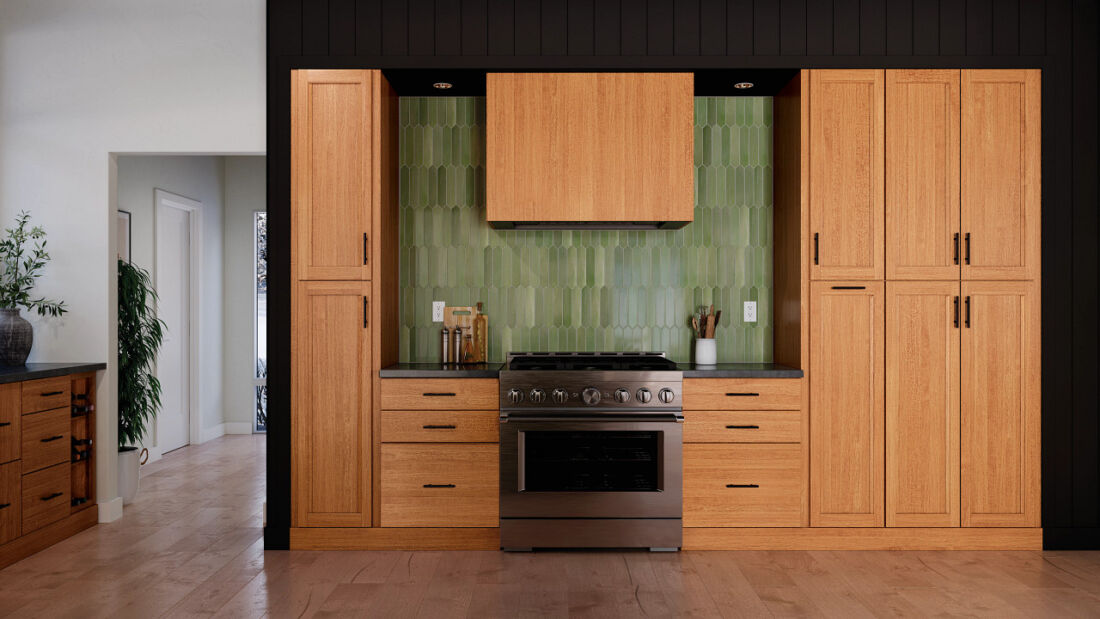
Oak has been a long-time favorite, and for good reason. Its pronounced grain adds warmth, depth, and a sense of craftsmanship to cabinetry. Red oak delivers more reddish undertones, while white oak offers a more modern, neutral profile, often used in high-end designer kitchens.
Pros:
✔ Extremely durable
✔ Distinctive grain hides scratches and wear
✔ Takes stain beautifully
Cons:
✘ Heavy grain isn’t ideal for minimal or contemporary looks
✘ Can appear dated if not styled carefully, especially red oak
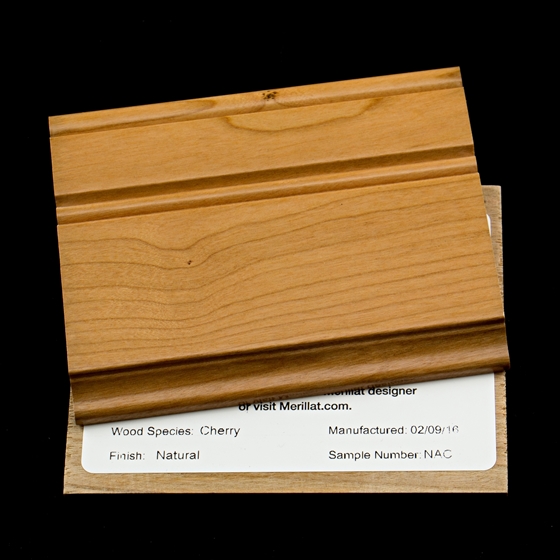
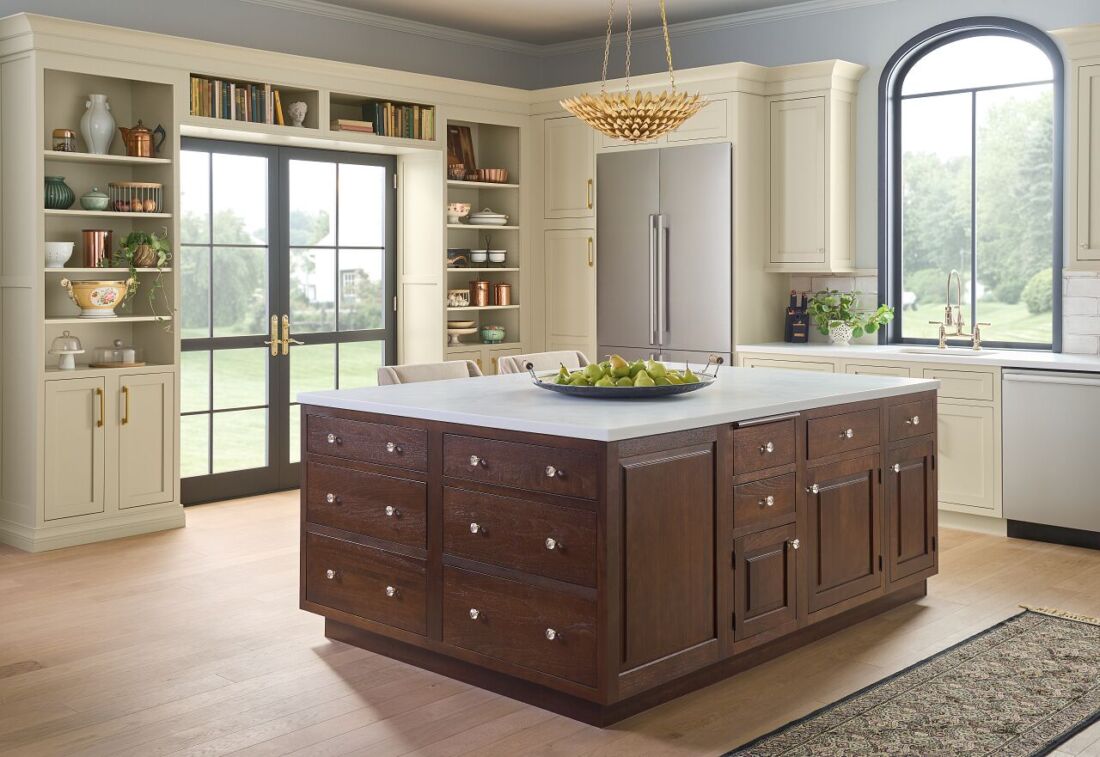
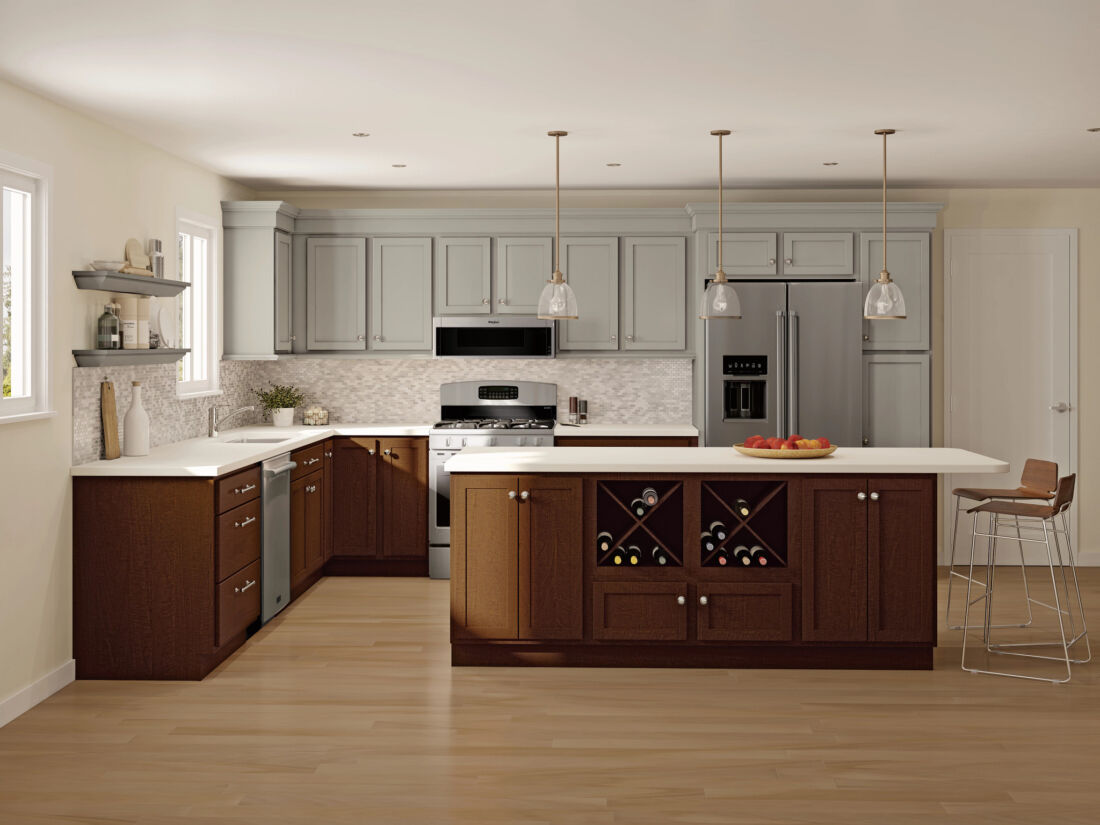
3. Cherry: Elegant, Warm, and Naturally Luxurious
Best for: Formal, traditional, and high-end designs
Appearance: Smooth grain with occasional small knots
Color: Reddish-brown that deepens over time
Cherry wood is known for its rich color and sophisticated feel. It darkens naturally as it’s exposed to light, giving cabinets a warm, luxurious patina. Cherry takes stain well but is often left in its natural beauty.
Pros:
✔ Ages beautifully with a deep, rich color
✔ Smooth, fine grain
✔ Adds a high-end look
Cons:
✘ More expensive than many woods
✘ Natural color change may surprise homeowners
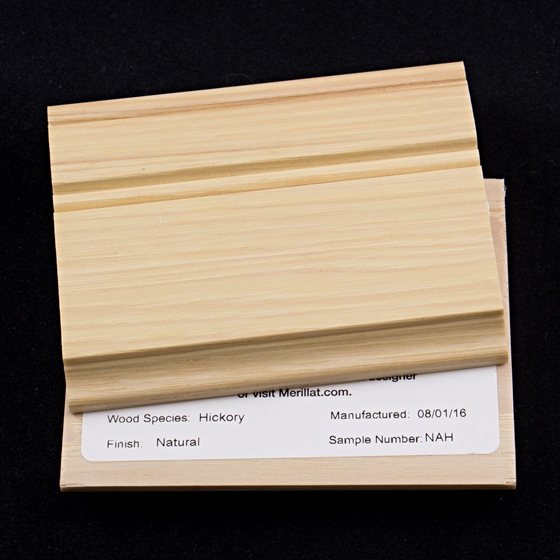
4. Hickory: Bold, Rustic, and Full of Personality
Best for: Farmhouse, rustic, and cabin-style spaces
Appearance: Dramatic color variation, strong grain
Color: Light cream to dark brown streaks
If you want cabinets that make a statement, hickory delivers. It has the most dramatic natural variation of any common cabinet wood, creating a bold, rustic aesthetic. It’s also one of the strongest woods available.
Pros:
✔ Very durable
✔ Unique, lively appearance
✔ Great for rustic or nature-inspired designs
Cons:
✘ Color variations may feel too busy for some homeowners
✘ Harder to work with, which can increase cost
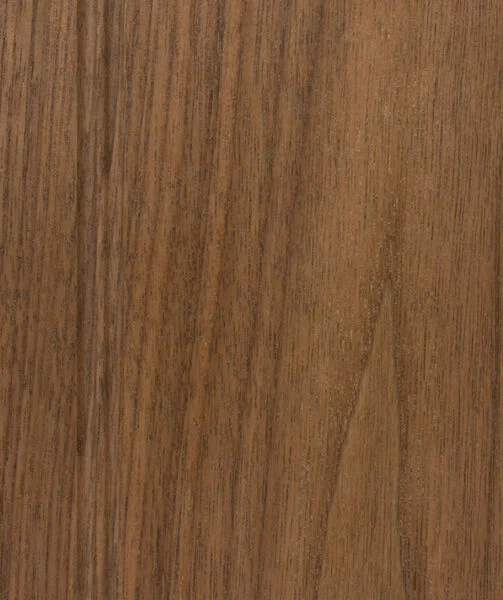
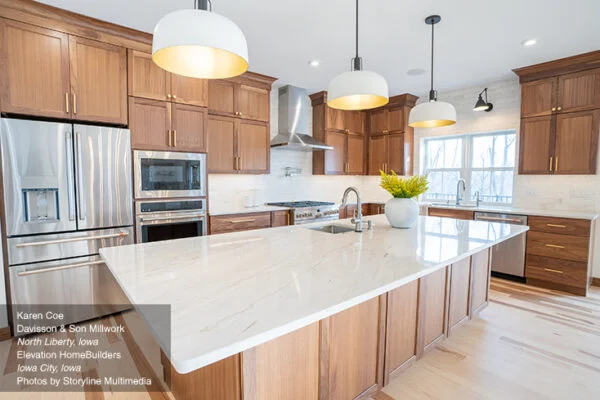
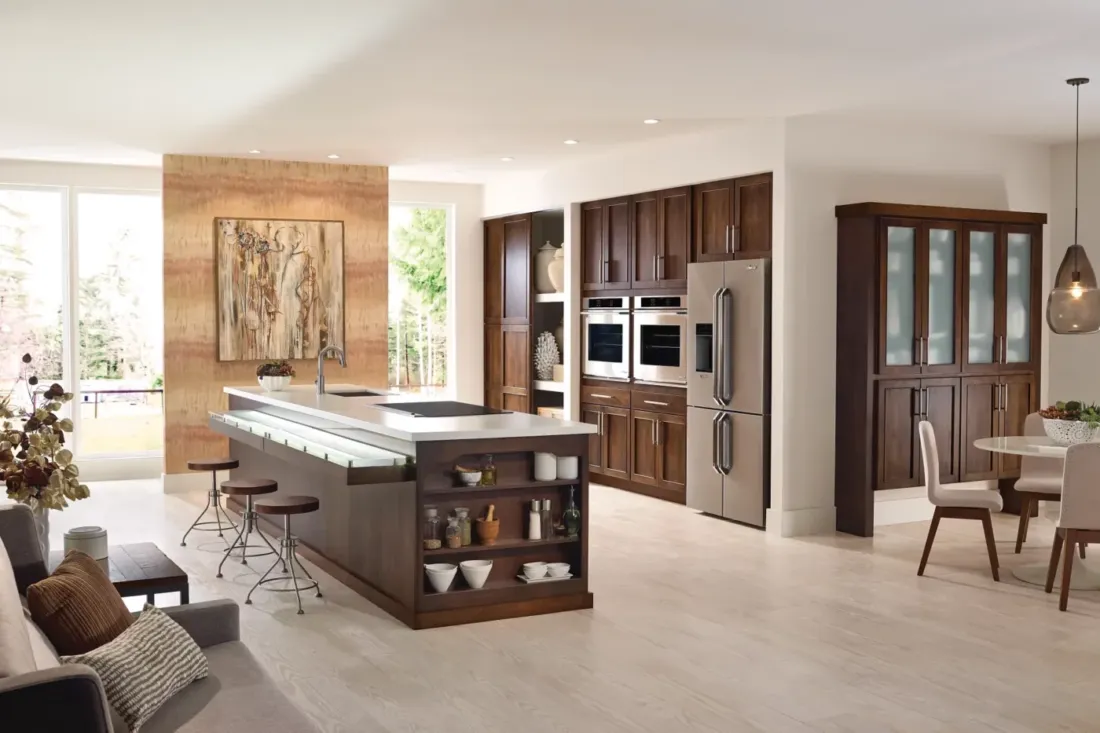
5. Walnut: Rich, Modern, and Uniquely Smooth
Best for: Modern, contemporary, and luxury kitchens
Appearance: Straight, consistent grain
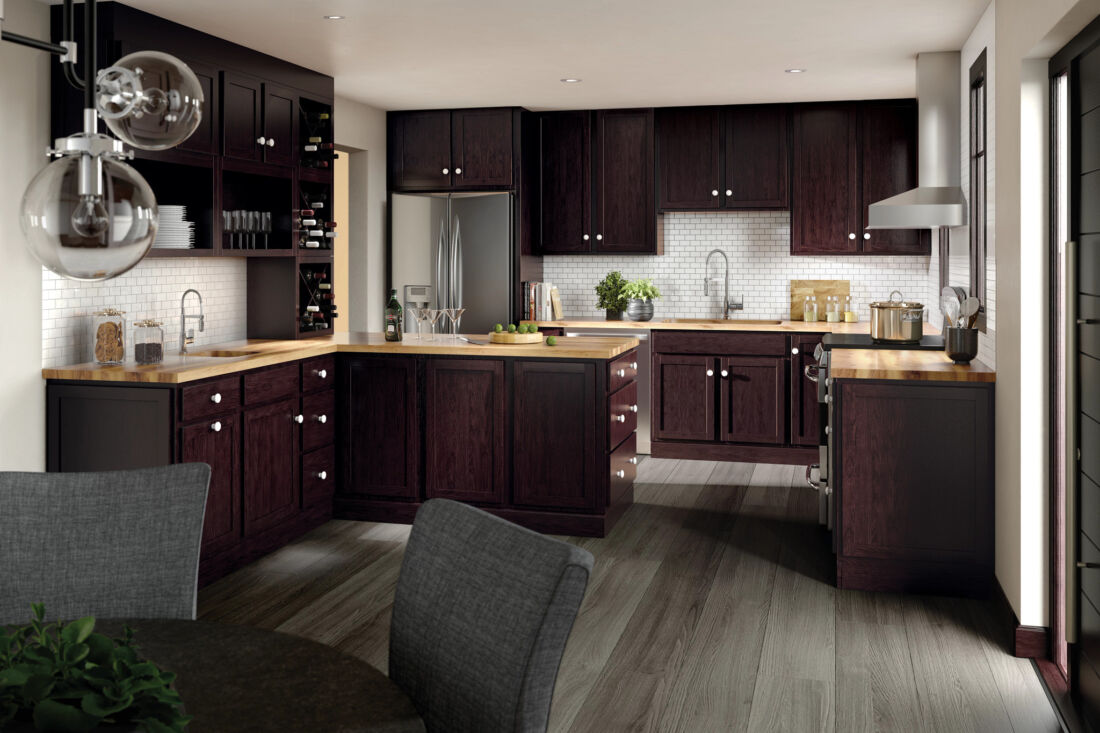
Color: Deep chocolate to purplish-brown tones
Walnut’s dark, velvety appearance makes it a favorite in upscale, contemporary designs. It’s softer than maple or oak but still durable, and its natural color is so beautiful that it’s often left unstained.
Pros:
✔ Naturally rich and stunning
✔ Smooth, elegant grain
✔ Perfect for modern luxury design
Cons:
✘ Typically higher cost
✘ Can show scratches more easily due to darker color
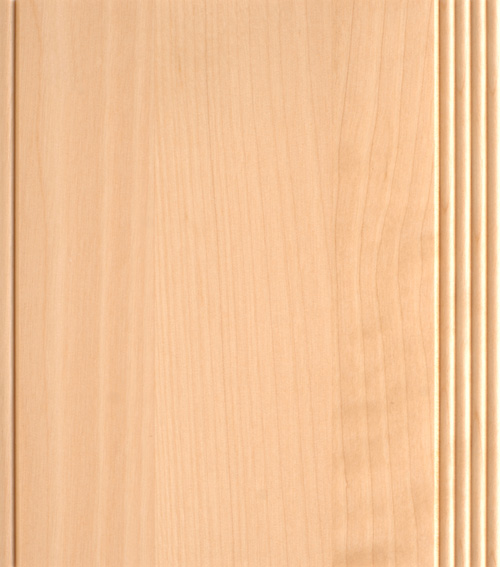
6. Birch: Budget-Friendly and Smooth
Best for: Painted cabinets or light, natural looks
Appearance: Fine grain similar to maple
Color: Pale cream to light brown
Birch is a cost-effective alternative to maple and behaves similarly in many ways. It’s smooth, takes paint well, and offers a clean appearance. However, like maple, it can blotch with darker stains.
Pros:
✔ Affordable
✔ Great for paint or light stains
✔ Clean and understated
Cons:
✘ Not ideal for dark, even staining
✘ Slightly softer than maple
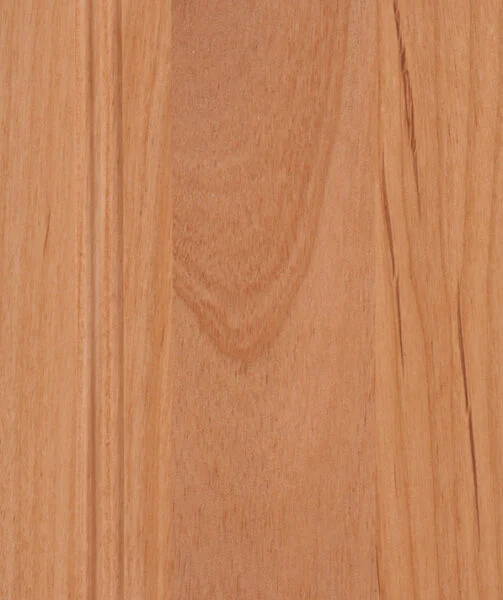
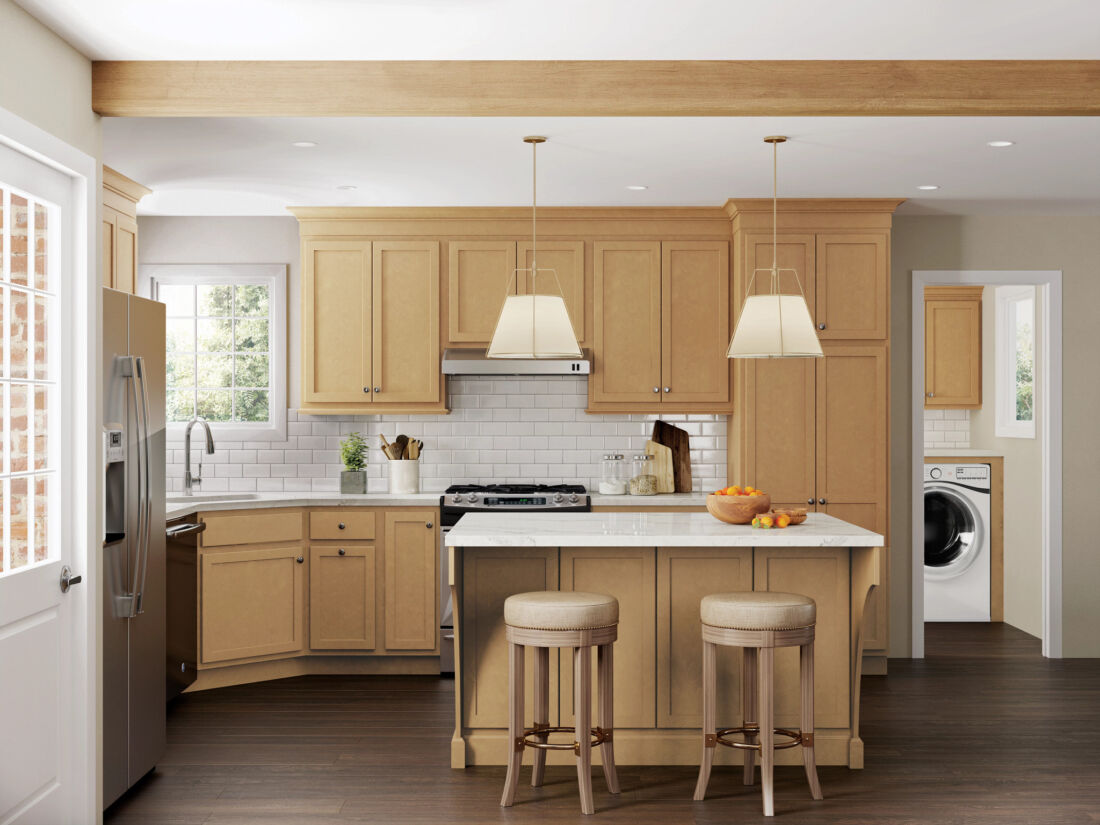
7. Alder: Warm, Rustic, and Beautifully Workable
Best for: Rustic, farmhouse, transitional, and craftsman-style designs
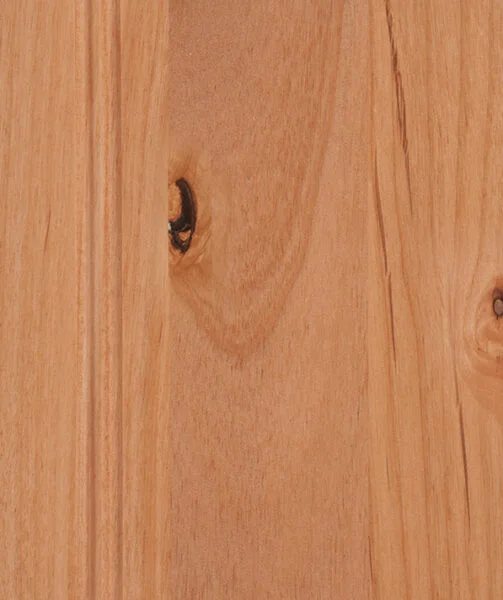
Appearance: Soft, even grain with occasional small knots (especially in knotty alder)
Color: Light brown with subtle reddish undertones
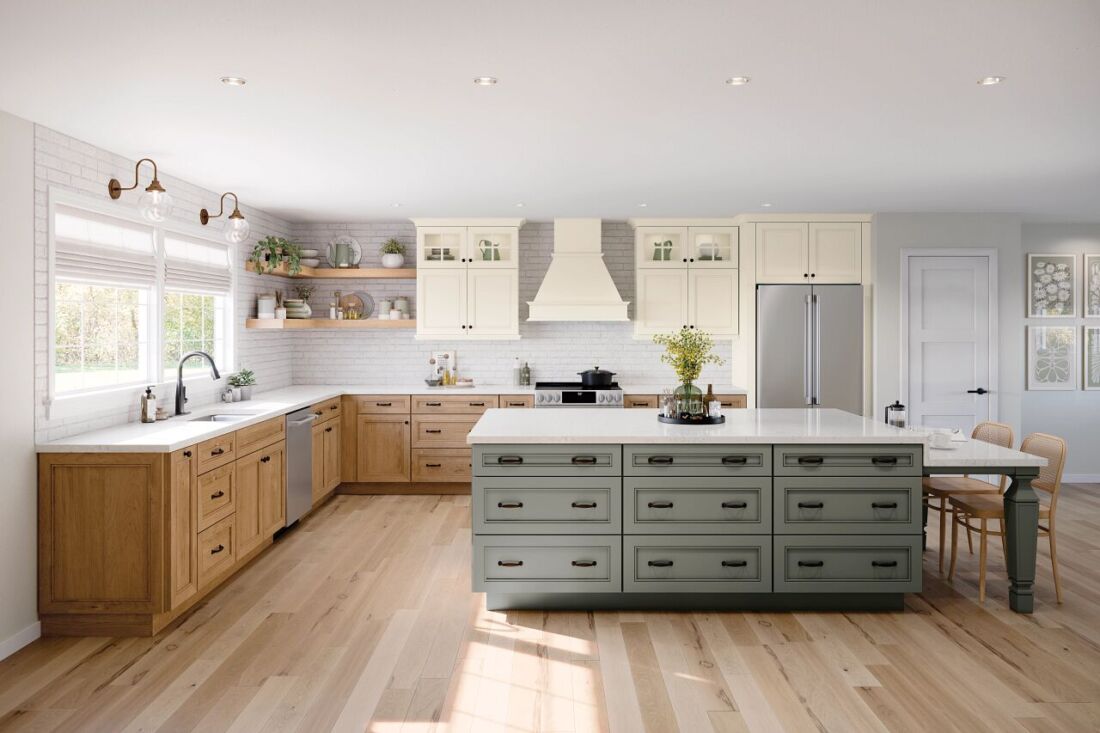
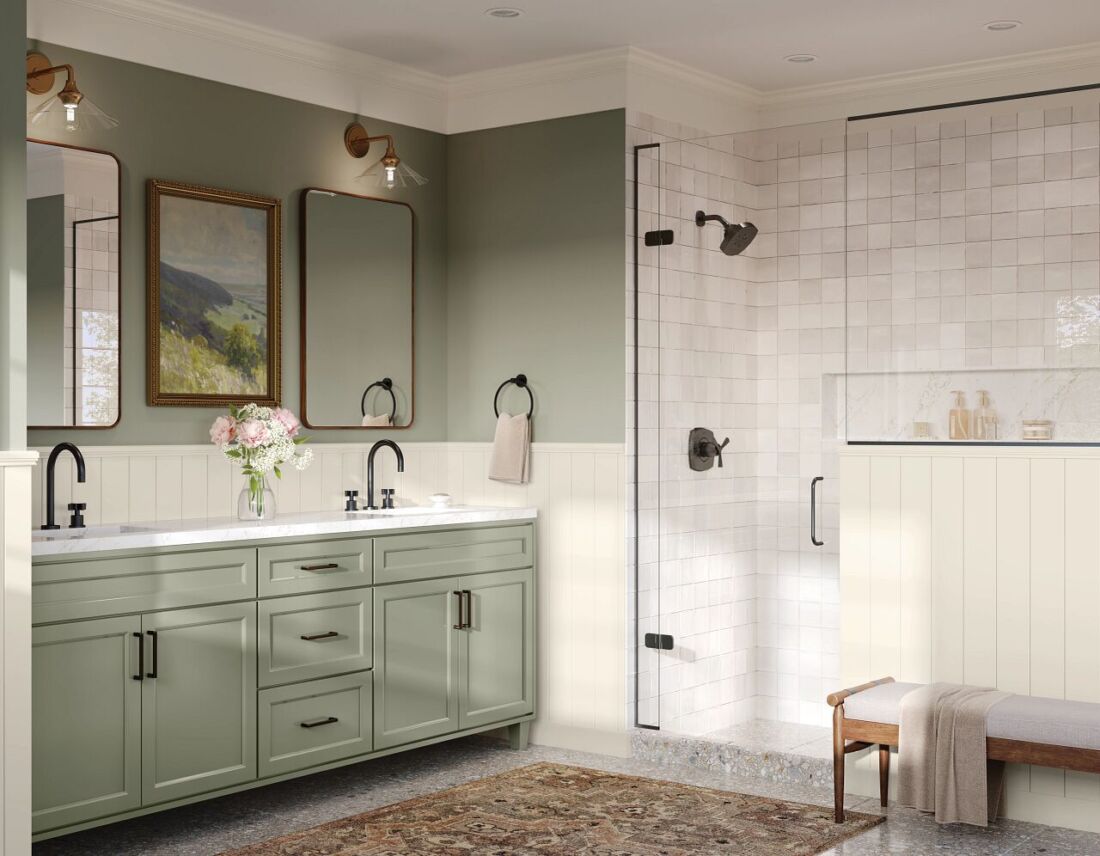
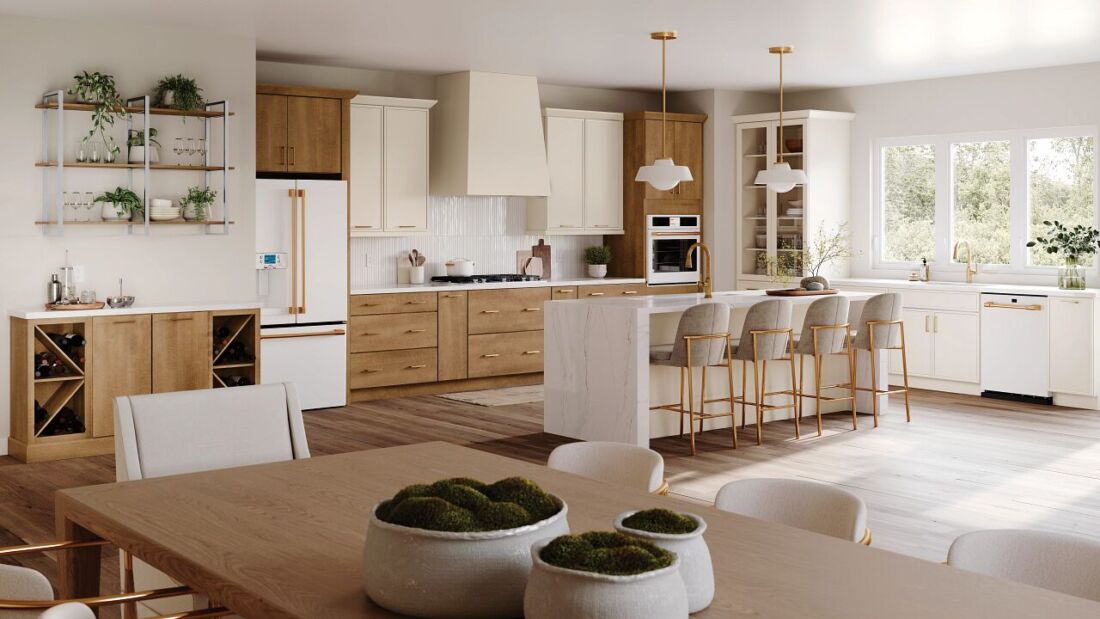
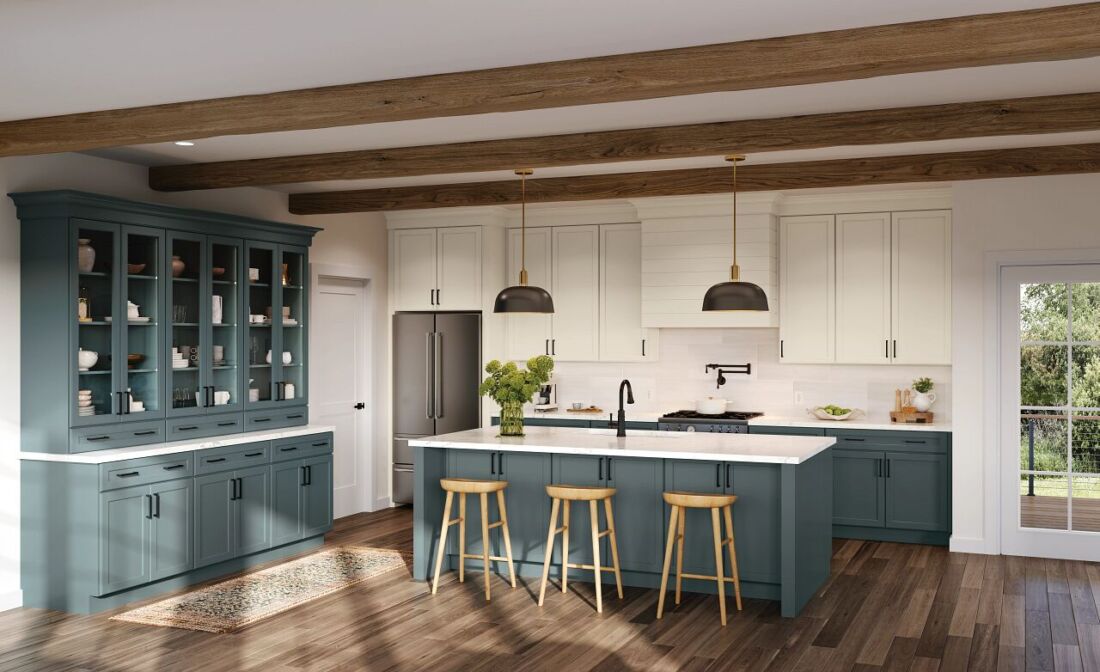
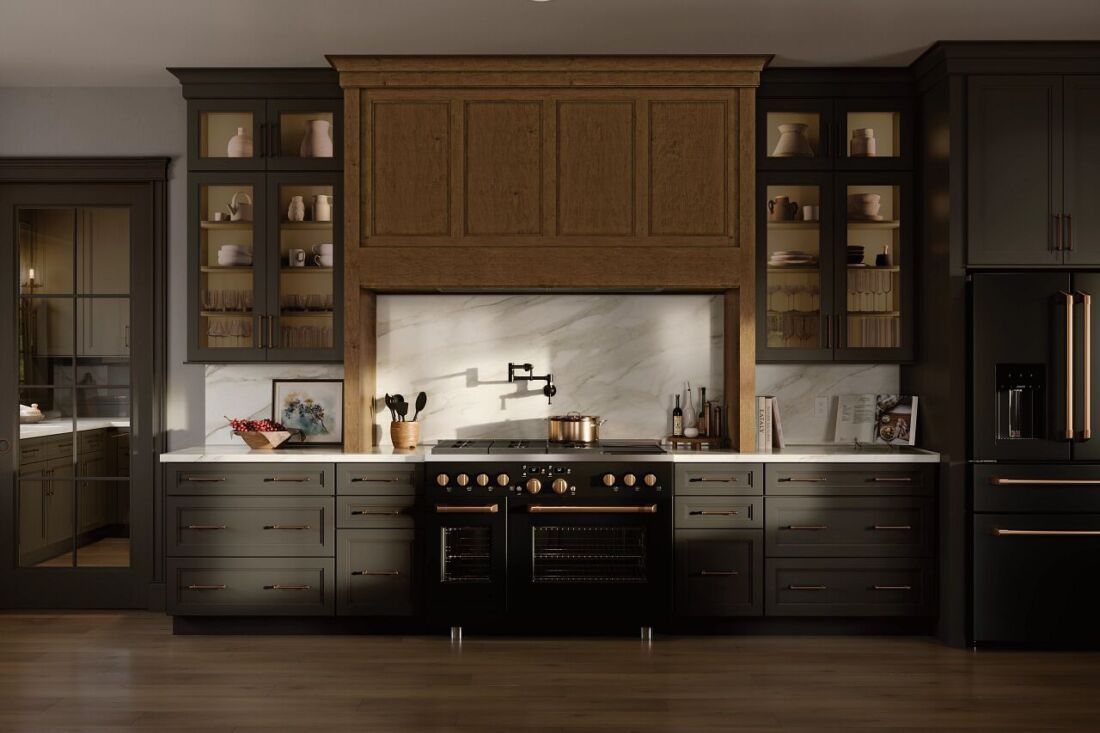
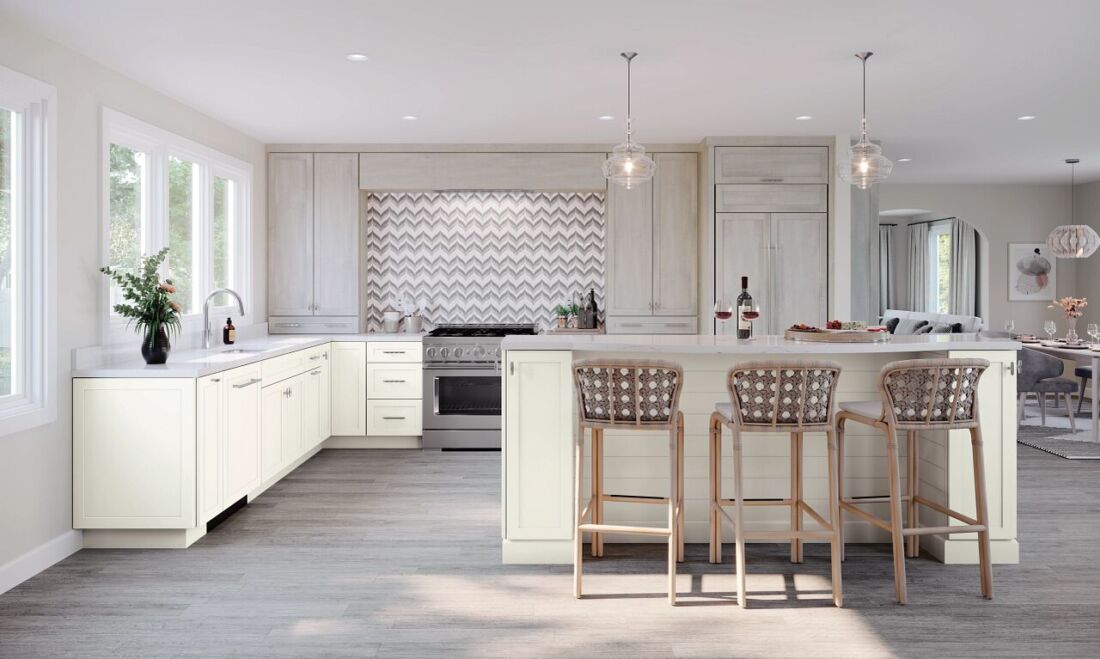
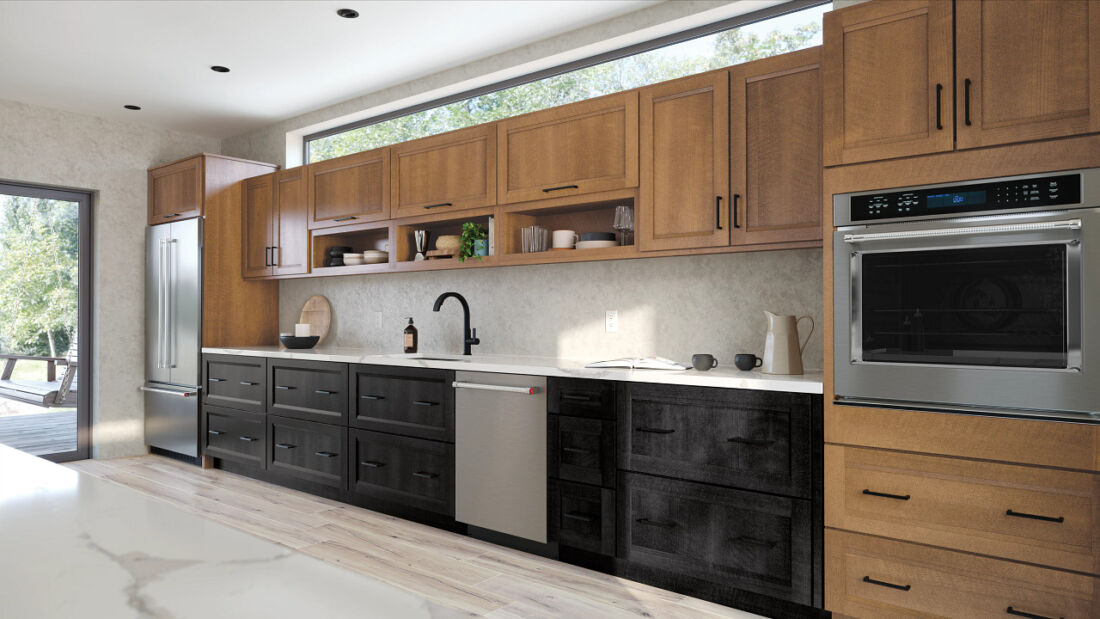
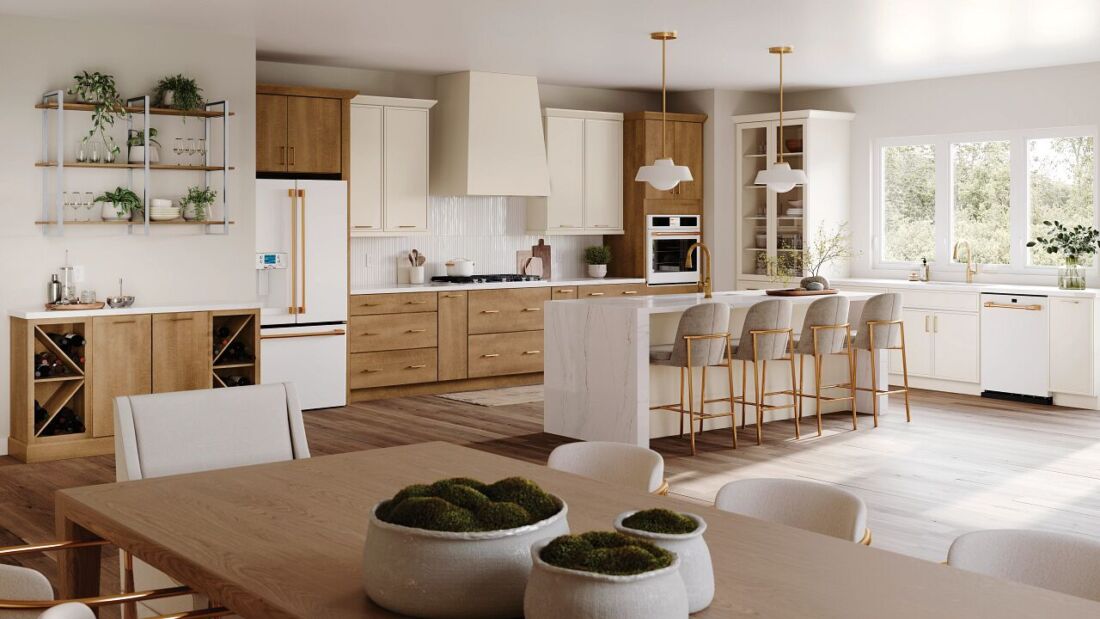
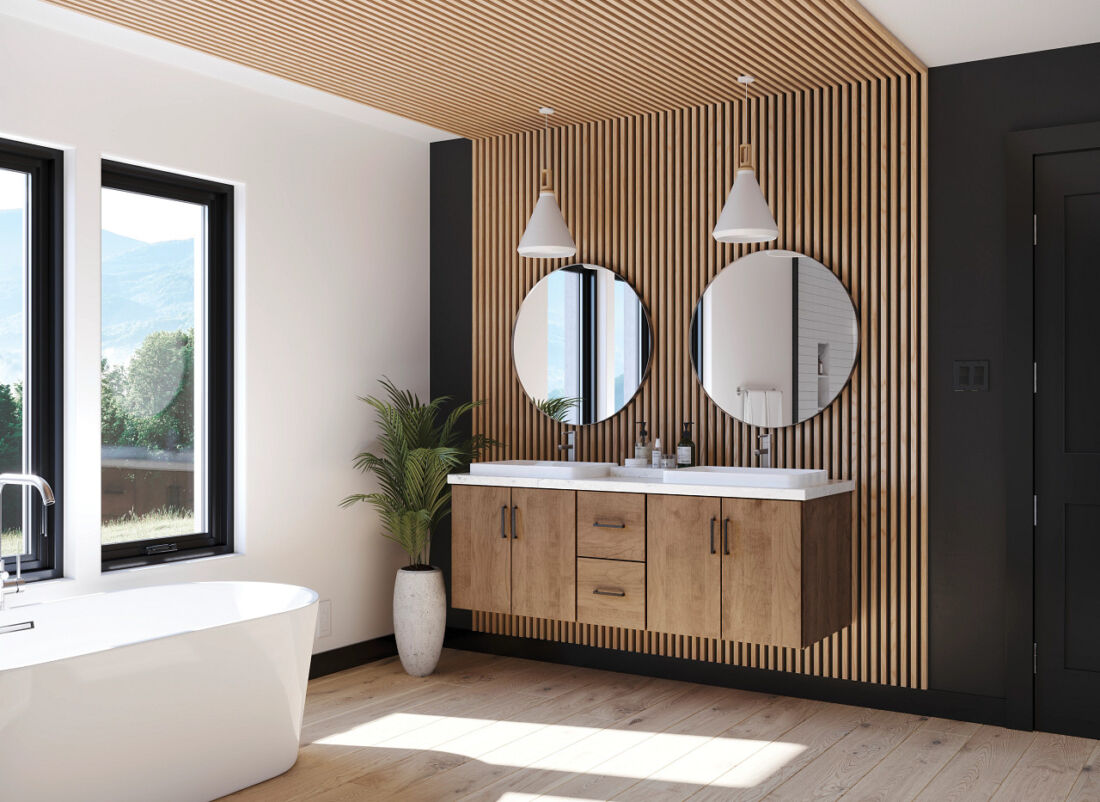
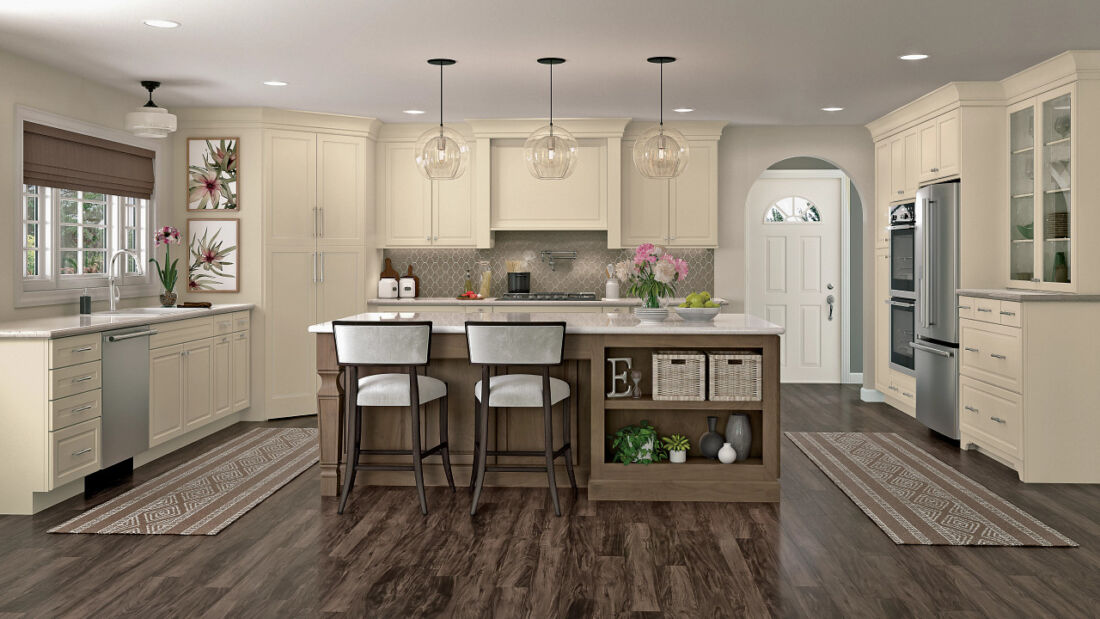
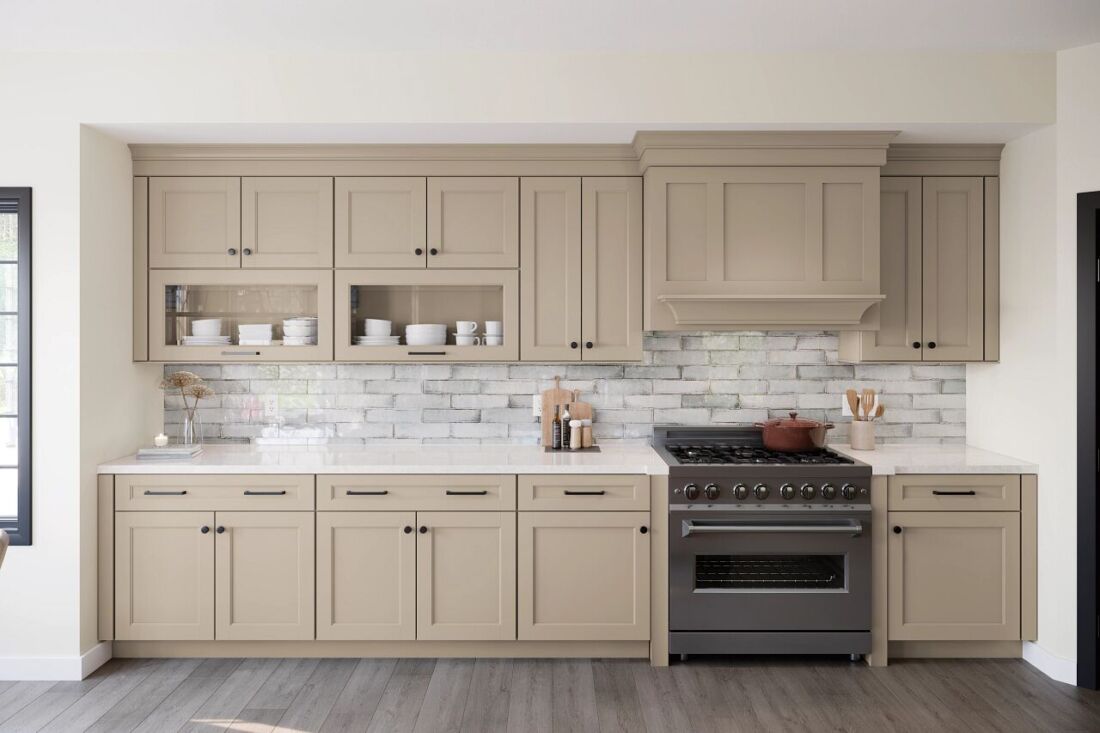
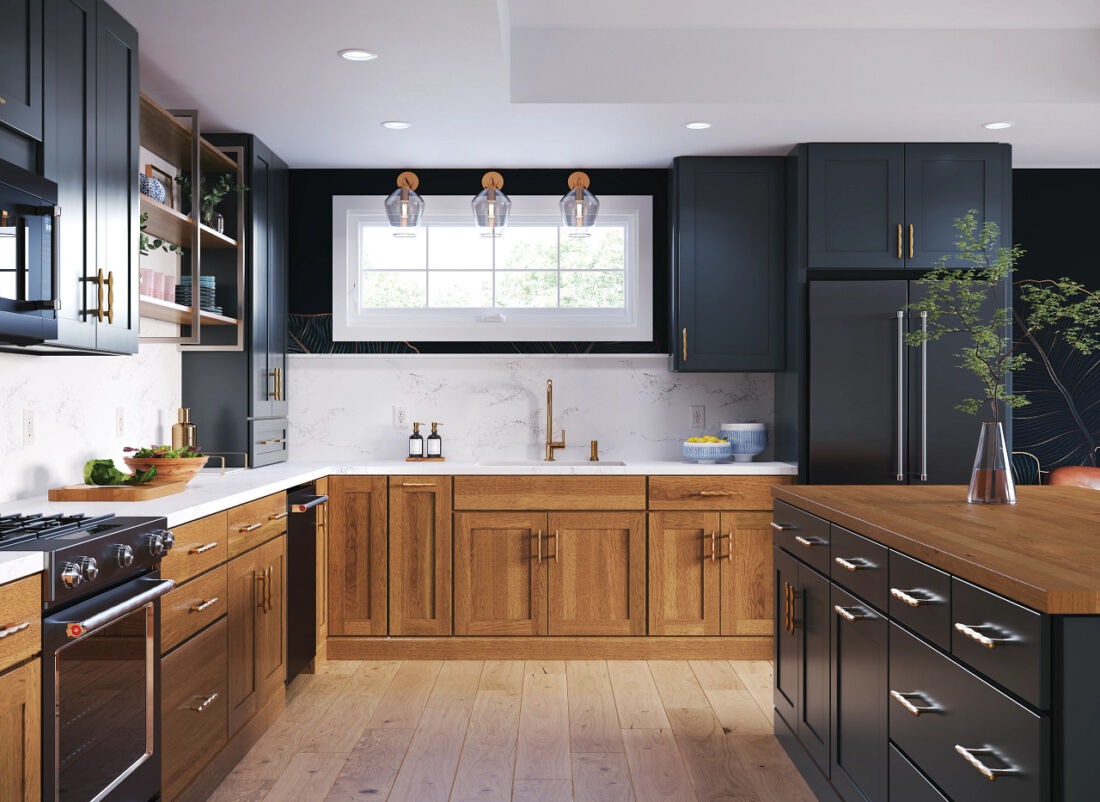
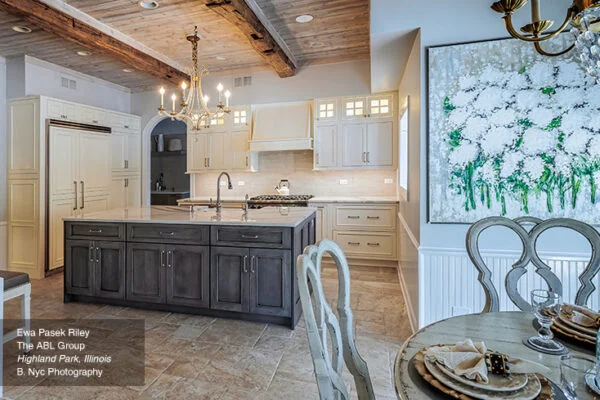
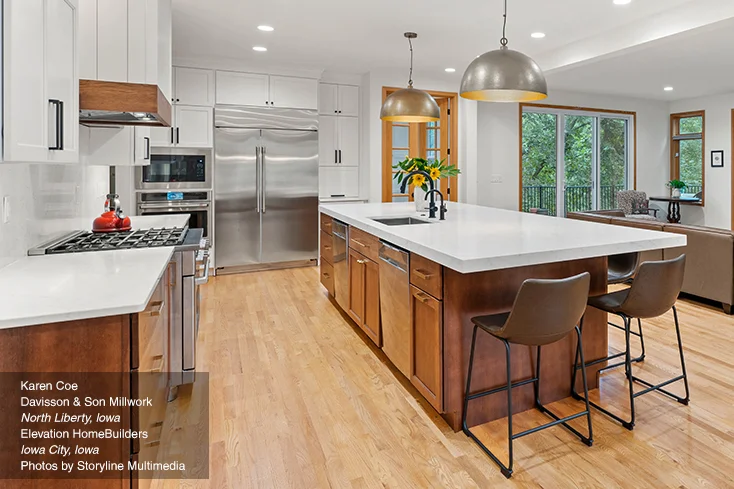
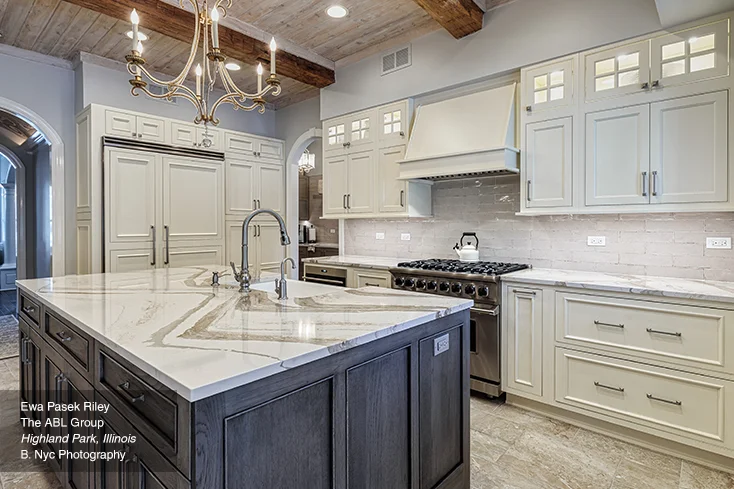
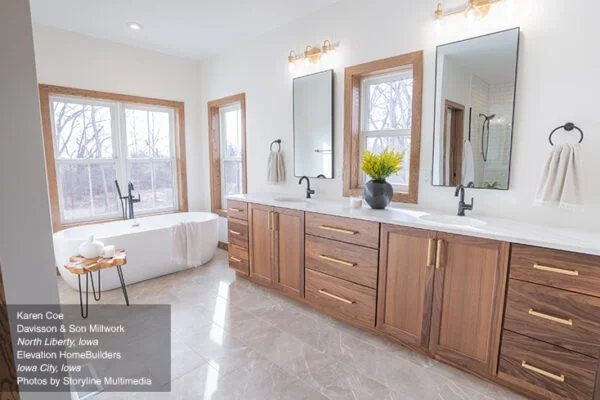
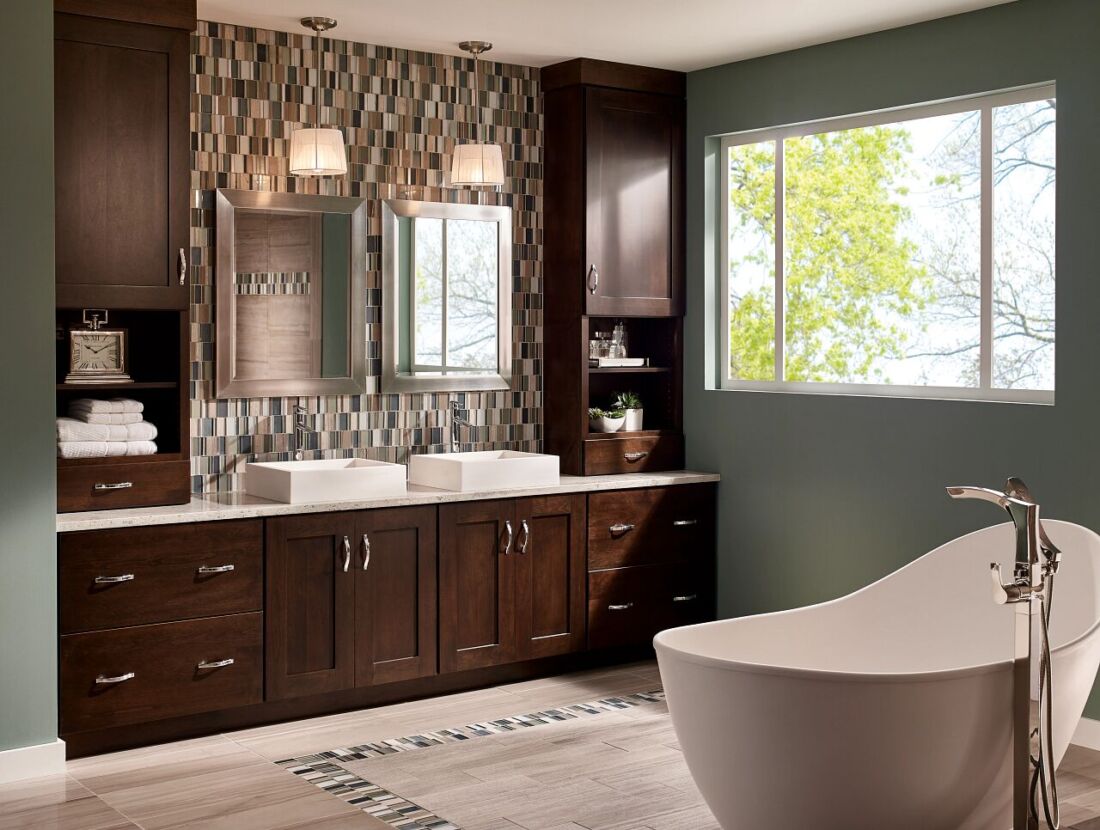
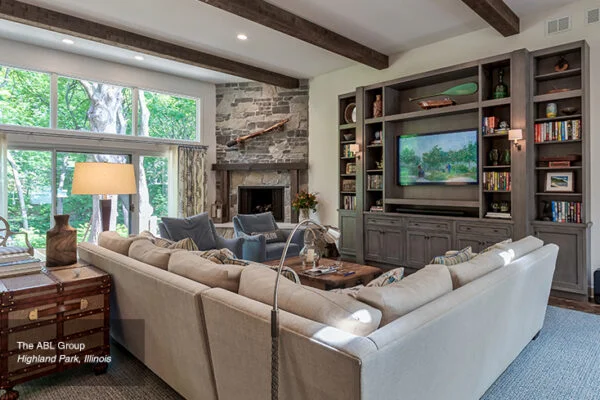
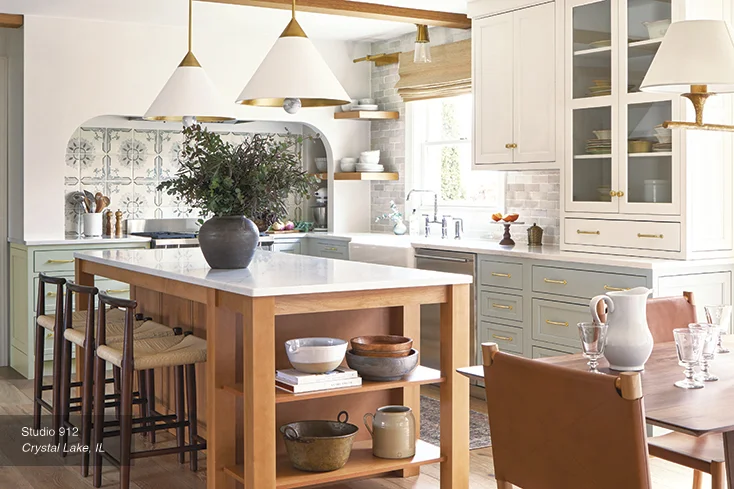
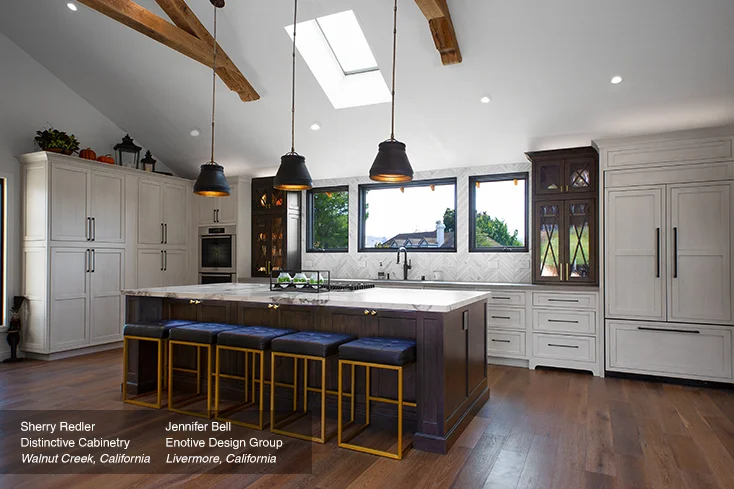
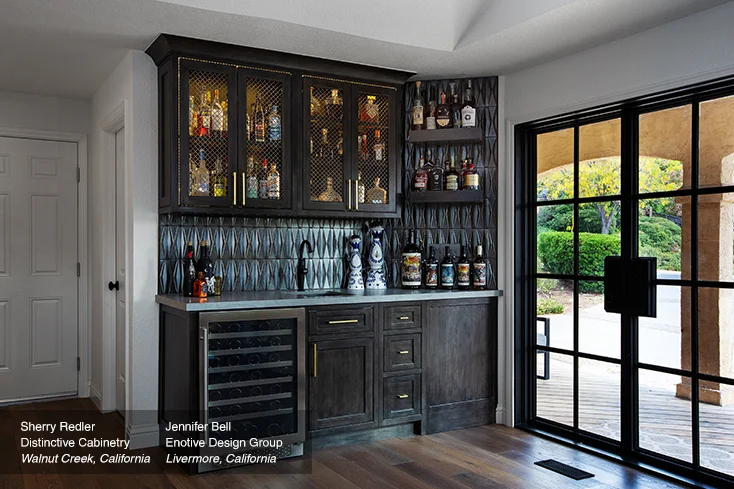
Alder is a versatile hardwood known for its warm, welcoming appearance. It stains exceptionally well, often mimicking more expensive species like cherry or walnut at a lower cost. Homeowners can choose clear alder for a smooth, refined look or knotty alder for a rustic, character-rich aesthetic.







Pros:
✔ Excellent staining versatility
✔ Smooth, workable grain
✔ Available in both clear and knotty variations
✔ More affordable than cherry or walnut
Cons:
✘ Softer than many hardwoods, which can make it more prone to dents
✘ Color can vary slightly between boards
Which Wood Species Should You Choose?
Choose Maple if you want a clean, painted, or modern look.
Choose Oak if you love texture and traditional charm.
Choose Cherry if you want richness and graceful aging.
Choose Hickory for rustic character and natural drama.
Choose Walnut for upscale, modern warmth.
Choose Birch if you want a budget-friendly smooth finish.
Choose Alder if you want warmth, great stainability, and rustic or refined versatility.
Final Thoughts
Your cabinet wood species influences not just how your kitchen looks on day one but how it behaves, ages, and complements your lifestyle. Whether you prefer bold grain patterns or subtle, smooth finishes, understanding these differences will help you choose cabinetry that you’ll love for years to come.
Written By:
Katie Buhl – Residential Territory Manager
586-917-3408
kbuhl@oldenkamp.com
Contact Form
We welcome your questions and comments. Please feel free to contact us by completing the following form.
