


Why Natural Variation Is Not a Defect
One of the most common concerns we hear when it comes to stained cabinetry is simple and understandable:
“Why don’t all the cabinets look the same?”
At first glance, it can feel frustrating when doors or panels show differences in tone, grain, or depth of color. But the truth is, this variation is not a flaw. It’s the natural result of working with real wood, and it’s one of the very qualities that gives stained cabinetry its warmth, character, and authenticity.
Wood Is a Natural Material
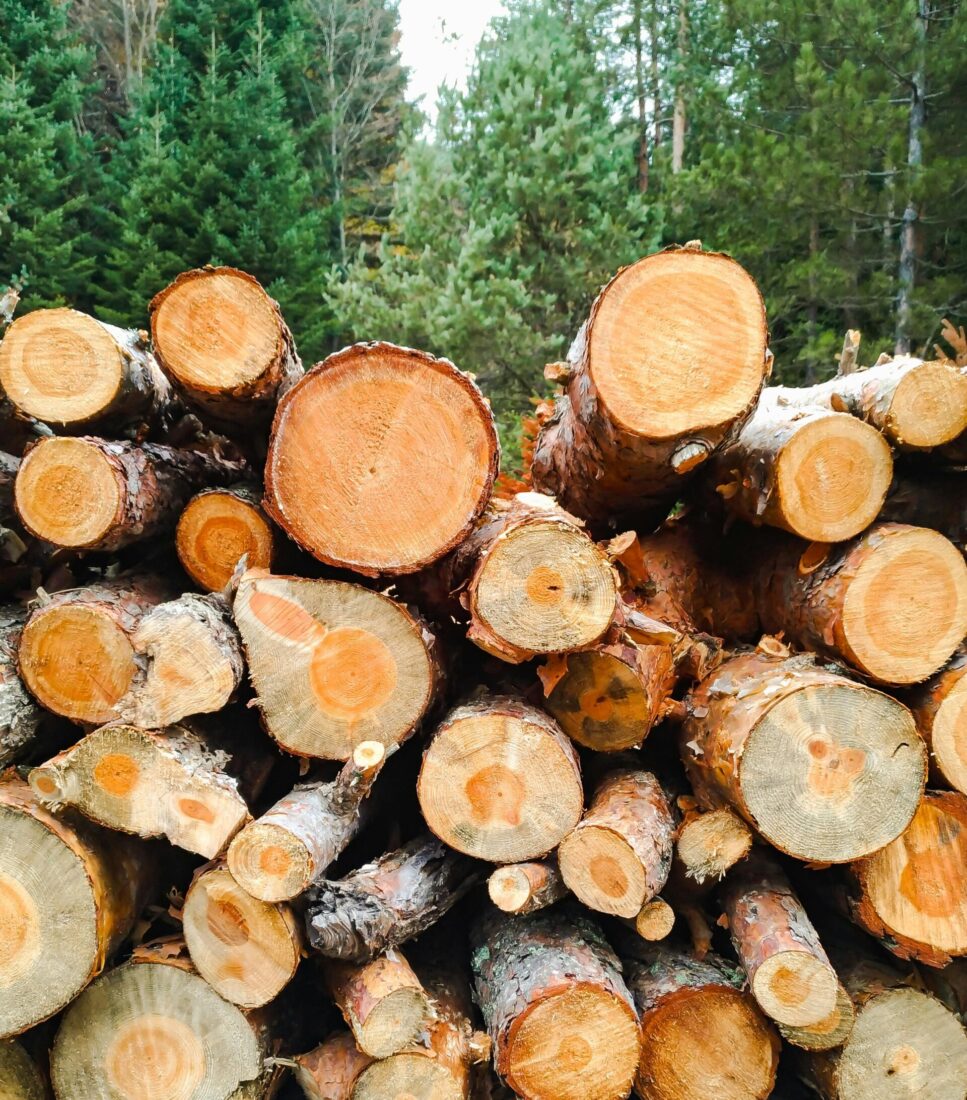
Unlike paint or laminate, wood is not uniform. Every tree grows differently, influenced by climate, soil, age, and growing conditions. Even boards cut from the same tree will vary in grain pattern, density, and undertone.
These natural characteristics are what make wood beautiful, but they also mean that wood will never behave like a manufactured surface. When stain is applied, it interacts with each piece of wood differently.

How Wood Species Affect Stain
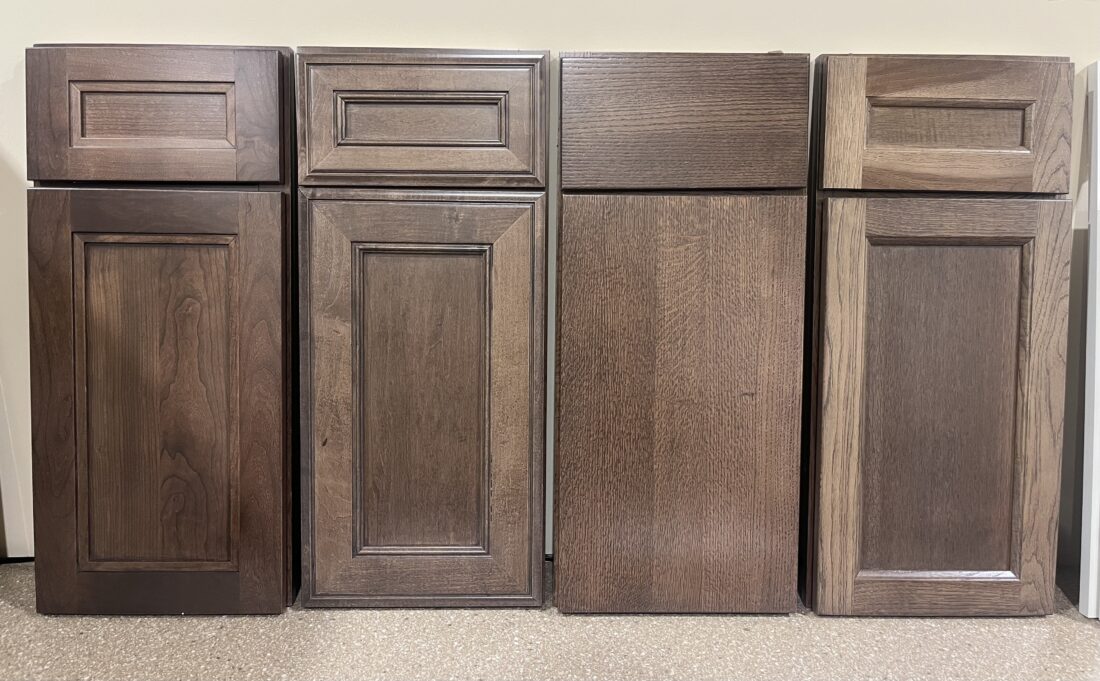
Different wood species absorb stain in different ways. Factors like grain tightness, hardness, and natural color all influence the final result.
For example:
- Some species absorb stain more evenly, resulting in a smoother appearance.
- Others have more pronounced grain patterns that pull stain deeper in certain areas.
- Some woods carry warm undertones, while others lean cooler, even under the same stain color.
This is why the same stain can look slightly different across cabinet doors, drawer fronts, and panels. The stain is consistent. The wood is not — and that is by design.
Variation Is Not Inconsistency
It’s important to understand that variation does not mean poor quality or incorrect manufacturing. In fact, true uniformity in stained wood would require masking the natural grain with fillers, heavy pigments, or artificial treatments.
What you’re seeing instead is honesty in materials. The cabinets are allowing the wood to show up as wood, not as an imitation of something else.
Setting the Right Expectations
Many concerns arise simply because customers are not told what to expect. When people anticipate a painted, uniform finish but choose a stain instead, the difference can come as a surprise.
Stained cabinetry is best chosen when you appreciate:
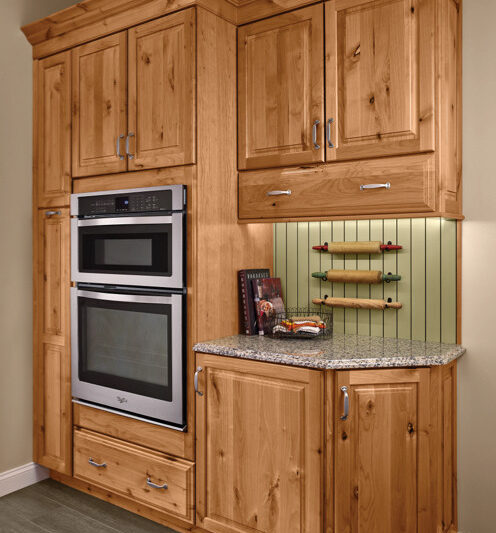
- Natural grain variation
- Depth and movement in the finish
- A layered, organic appearance
- A sense of craftsmanship rather than perfection
If a perfectly consistent look is the goal, paint or engineered surfaces may be a better fit. If warmth, character, and authenticity matter most, stain is an excellent choice.
Why Designers Embrace This Variation
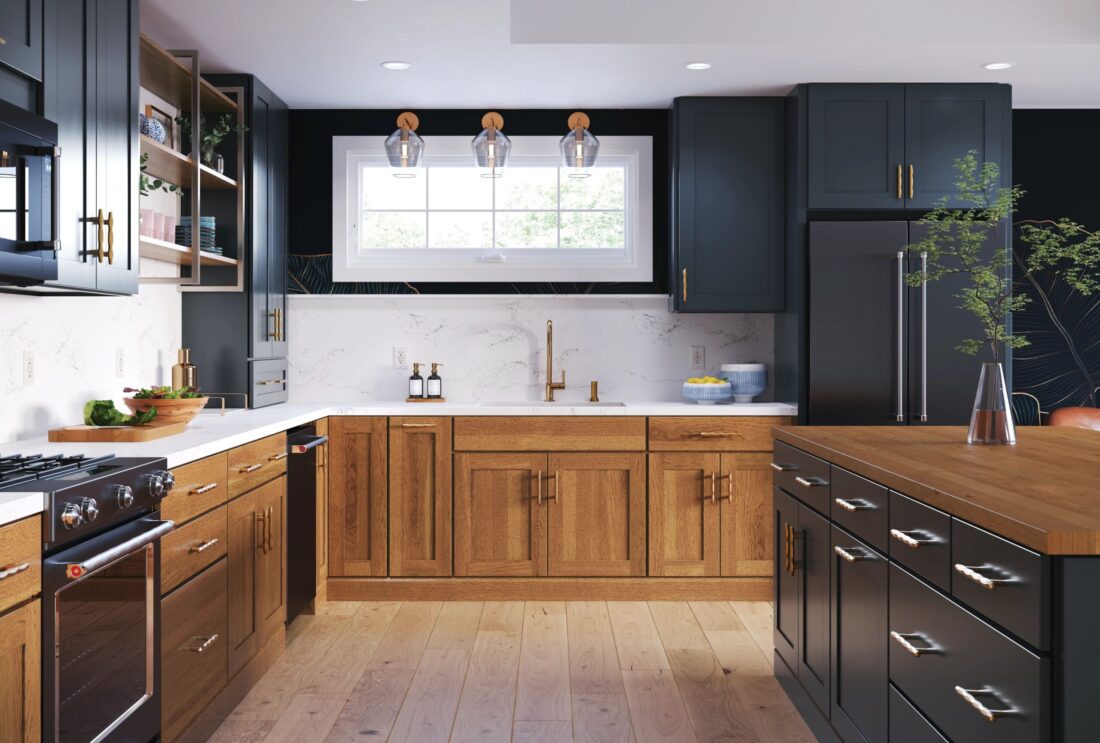
Design professionals often seek out stained cabinetry specifically because of this natural variance. It adds visual interest, creates depth, and makes a space feel lived in rather than sterile.
In many cases, variation is what elevates a kitchen from looking manufactured to feeling thoughtfully crafted.
Our Role as a Partner
At H.J. Oldenkamp Co., we believe education is just as important as product selection. Helping customers understand how materials behave leads to better decisions, fewer surprises, and greater satisfaction long after installation.
When expectations align with reality, stained cabinetry becomes what it was always meant to be: a celebration of natural beauty, not a source of frustration.
Final Thought
Wood will never be identical, and that is exactly why people have loved it for centuries. Variation is not something to correct. It’s something to understand, respect, and embrace.
If you ever have questions about wood species, stain behavior, or what to expect from your cabinetry, our team is always here to help guide the process.
Contact Form
We welcome your questions and comments. Please feel free to contact us by completing the following form.
