


As summer winds down and daily routines return, so does the familiar collection of backpacks, shoes, jackets, mail, sports equipment, and other essentials that tend to accumulate near the door. Without a designated place for these items, even an otherwise organized home can quickly feel cluttered.
A thoughtfully designed drop zone offers a practical solution. By combining purposeful storage, durable materials, and an efficient layout, an entryway, mudroom, hallway, or unused wall can become a hardworking space that supports the household, not only during the school year, but throughout every season.
Start with the Daily Routine
An effective drop zone begins with understanding how people move through the space. Where do they enter the home? What do they typically carry? Which belongings need to remain easily accessible, and which can be stored out of sight?
Answering these questions helps determine the right combination of cabinetry and storage features. A family with young children may benefit from low hooks and individual cubbies, while a busy household may need tall cabinets for coats, drawers for smaller essentials, and a durable surface for sorting mail or setting down bags.
The goal is not simply to add more storage. It is to create storage that reflects the way the space is actually used.
Give Everything a Place
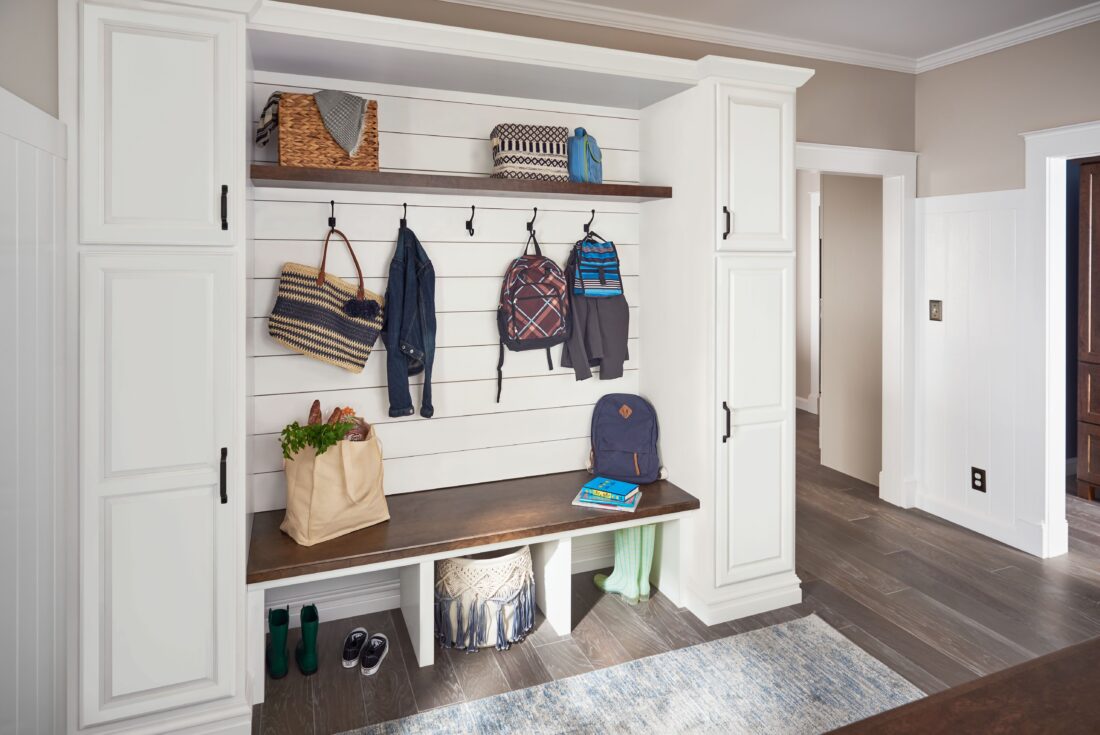
Cabinetry can transform an underused area into an organized extension of the home. Depending on the available space, a drop zone might include tall cabinets for coats, cleaning supplies, sports equipment, or seasonal items. Base cabinets and drawers can store shoes, pet supplies, reusable bags, and everyday accessories. Open cubbies keep frequently used belongings visible and within reach, while a built in bench provides a comfortable place to put on or remove shoes. Upper cabinets can hold items that do not require daily access, and individual storage areas can give each member of the household a designated place for personal belongings.
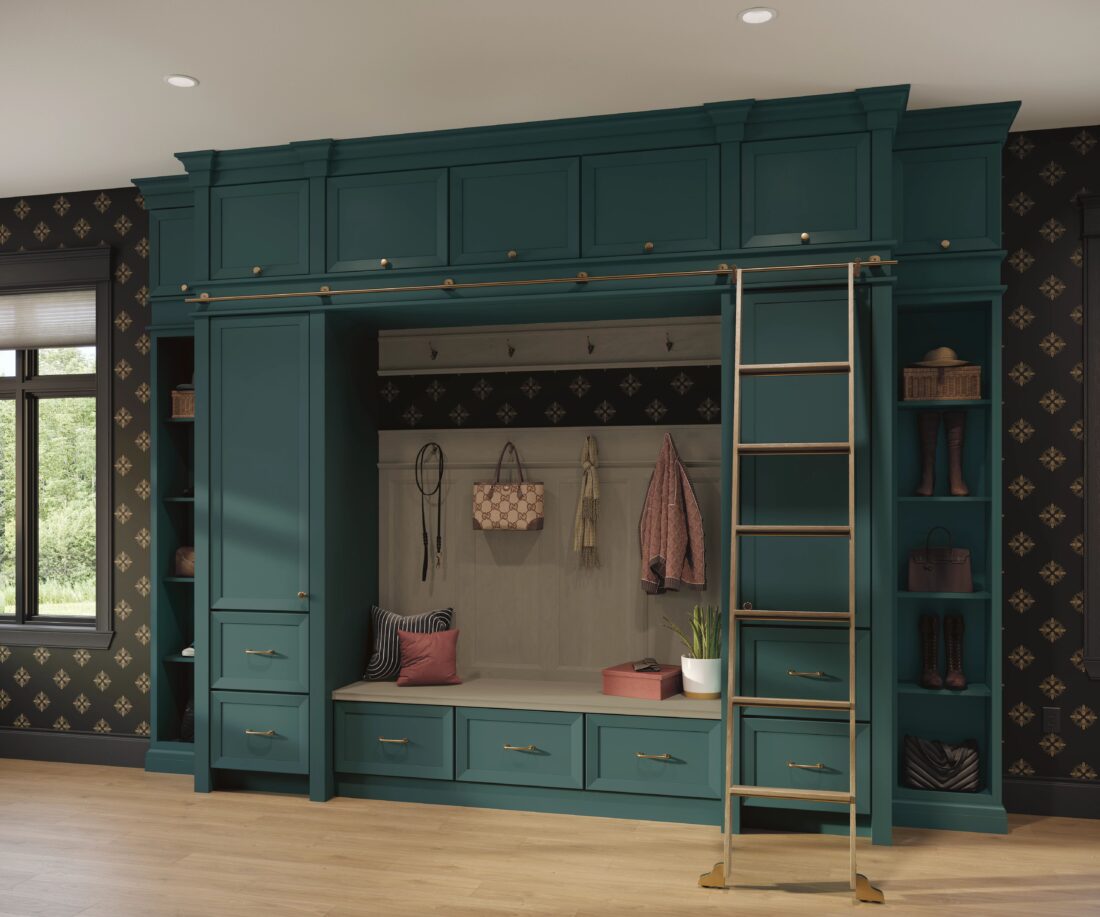
Combining open and closed storage is often the most effective approach. Hooks and cubbies provide quick access during busy mornings, while cabinet doors and drawers help reduce visual clutter. The result is a space that works hard while maintaining a clean, intentional appearance.
Select Materials Made for Everyday Life
Drop zones experience frequent contact, spills, moisture, dirt, and general wear. Material selection is therefore just as important as the layout.
Cabinet finishes should be selected with durability and ease of maintenance in mind. A surface added above base cabinets or incorporated into a bench can provide another layer of protection while creating a finished, cohesive look.
Arborite® Laminate offers a practical option for shelving, bench surfaces, and countertops. With a broad selection of colors and patterns, Arborite® Laminate can complement the surrounding cabinetry while providing a surface designed for everyday use.
Corian® Solid Surface can also be used to create a smooth, refined work surface. Its nonporous composition and seamless appearance make it well suited for areas where easy cleaning and a streamlined aesthetic are priorities.
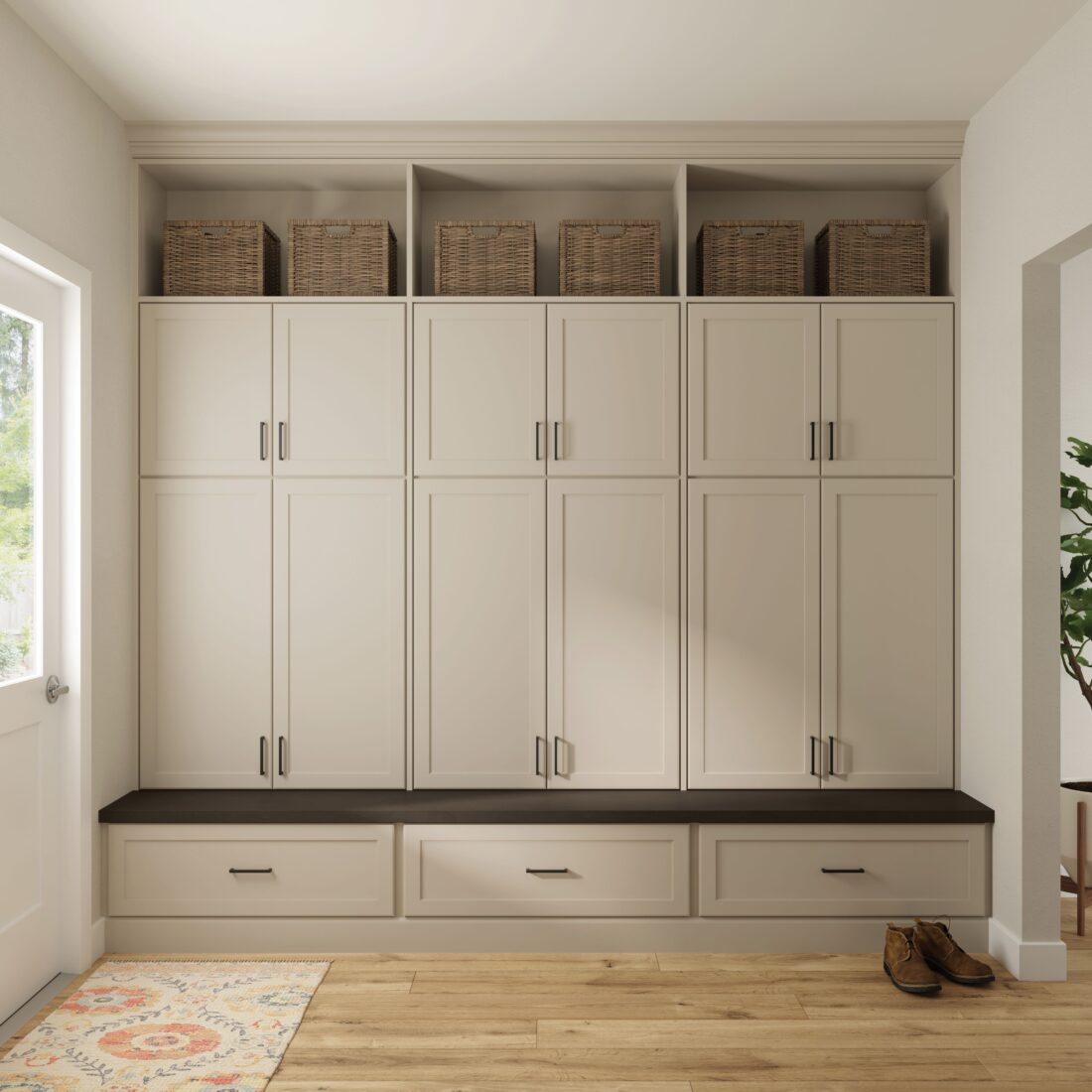
These materials allow the drop zone to become part of the overall design rather than appearing purely utilitarian.
Think Beyond the Traditional Mudroom
A dedicated mudroom is helpful, but it is not necessary. A successful drop zone can be created almost anywhere there is an available wall or transition area.
In a smaller home or apartment, a compact cabinet, narrow bench, and a few hooks can establish an organized landing place without taking over the room. In an open floor plan, cabinetry can help visually define the entry while coordinating with the kitchen and adjacent living spaces.
This flexibility is especially valuable in multifamily design. Residents often need storage that makes the most of a limited footprint. Incorporating a small drop zone near the entrance can add meaningful functionality without requiring a separate room. Durable cabinetry and surfaces that are easy to maintain can also help the space withstand the demands of everyday resident use.
For developers and property managers, these practical storage features can help a residence feel more thoughtful, organized, and livable.
Design for Life Beyond the School Year
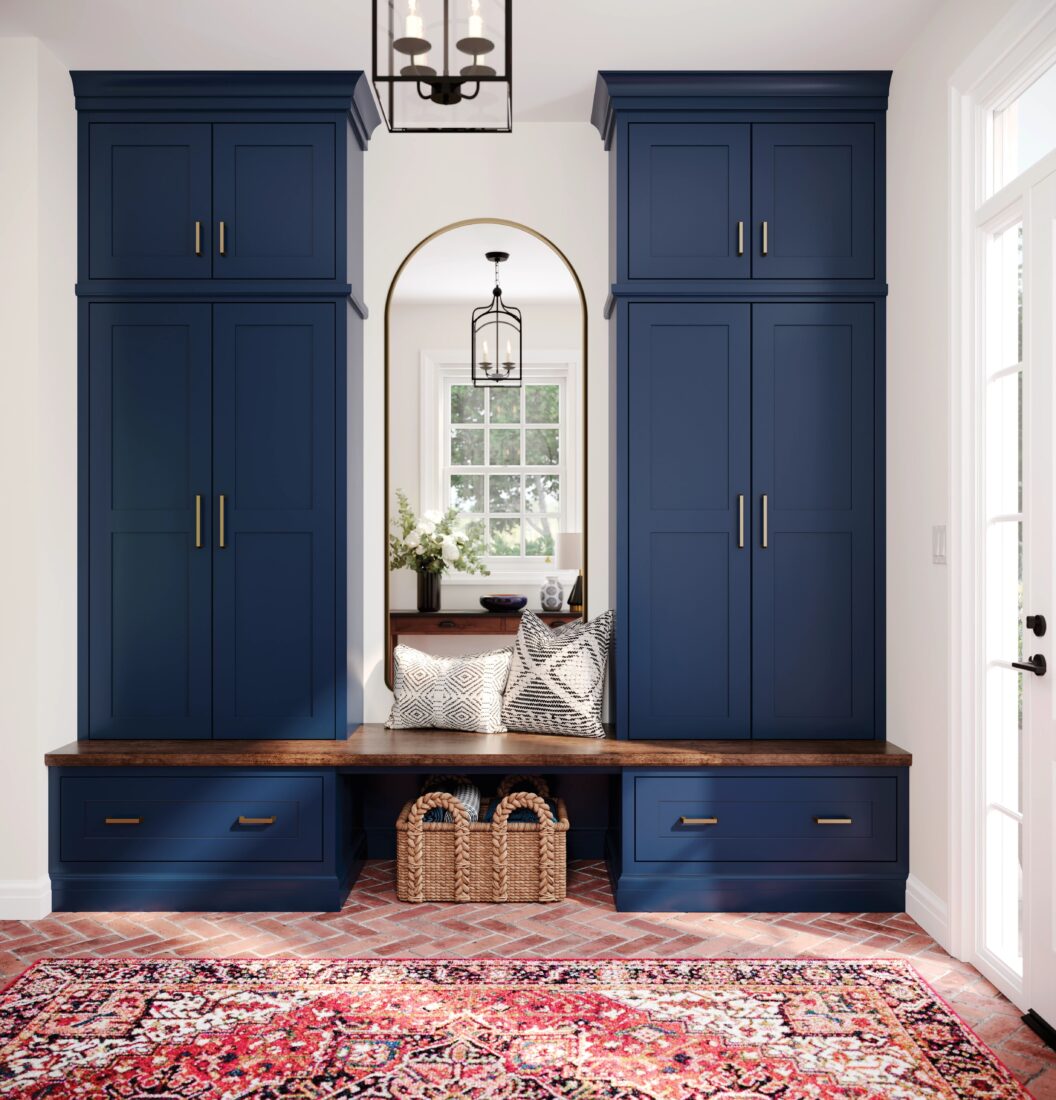
The start of a new school year may bring household organization to the forefront, but a well designed drop zone remains useful all year.
During colder months, it can hold coats, hats, boots, and gloves. In the spring, it becomes a place for rain gear and outdoor supplies. Summer may bring beach bags, sandals, sports equipment, and travel essentials. The same cabinetry can also organize pet accessories, work bags, charging stations, and incoming packages.
Adjustable shelves, flexible cubbies, and a mix of storage types allow the space to change along with the household. Designing for long term versatility helps ensure that the drop zone continues to provide value as routines and storage needs evolve.
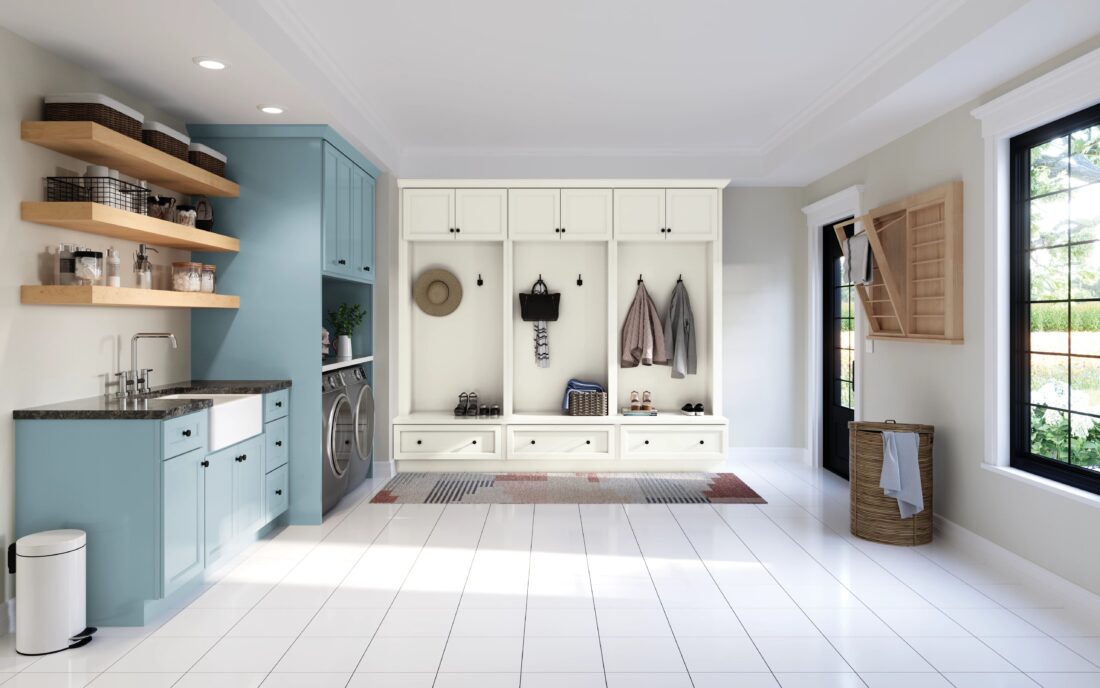
Design for Life Beyond the School Year
The start of a new school year may bring household organization to the forefront, but a well designed drop zone remains useful all year.
During colder months, it can hold coats, hats, boots, and gloves. In the spring, it becomes a place for rain gear and outdoor supplies. Summer may bring beach bags, sandals, sports equipment, and travel essentials. The same cabinetry can also organize pet accessories, work bags, charging stations, and incoming packages.
Adjustable shelves, flexible cubbies, and a mix of storage types allow the space to change along with the household. Designing for long term versatility helps ensure that the drop zone continues to provide value as routines and storage needs evolve.
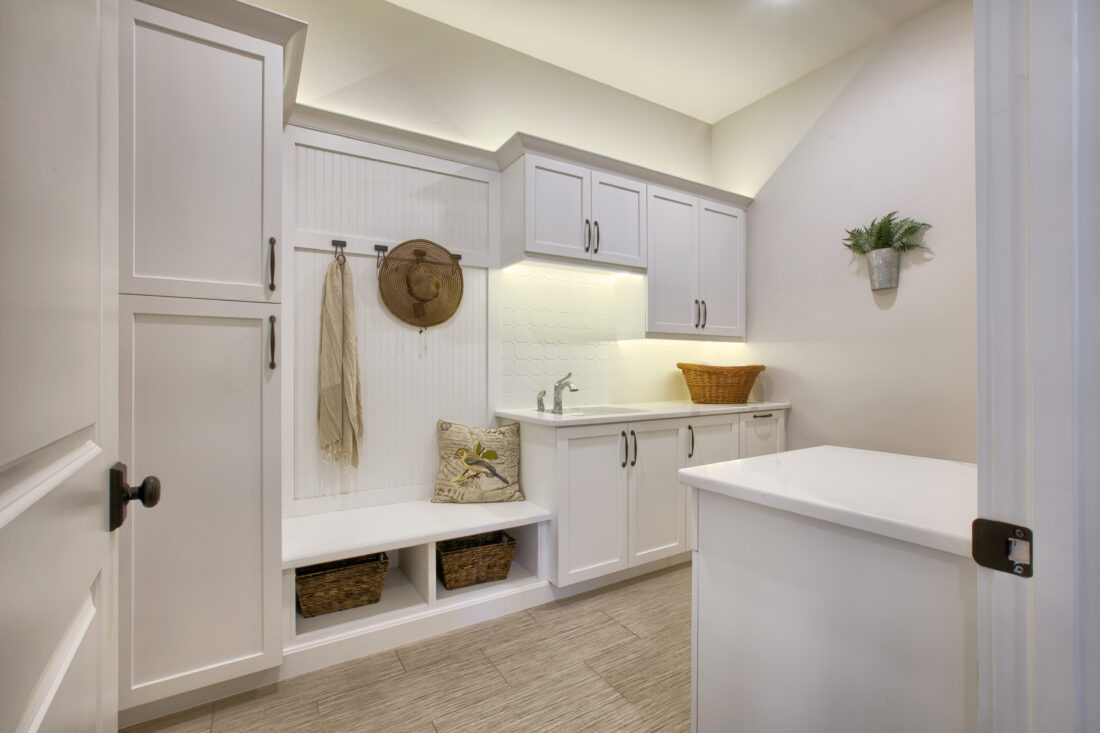
Ready to create a more organized and functional space? H.J. Oldenkamp Co. offers cabinetry and surface solutions designed to support the demands of everyday life. Contact our team to explore the right products for your next residential or multifamily project.
