


Modern healthcare facilities are evolving from purely clinical environments into restorative spaces that support both physical healing and emotional well-being. At the heart of this shift is biophilic design—the intentional integration of natural elements, patterns, and materials to reconnect patients, staff, and visitors with the calming influence of the outdoors. By thoughtfully incorporating nature-inspired colors, textures, and materials like solid surface countertops and cabinetry, designers are transforming hospitals, clinics, and wellness centers into places that feel supportive rather than sterile.
Why Nature Belongs in Healthcare
Humans have an innate affinity for nature. Exposure to natural elements can lower stress hormones, reduce blood pressure, ease anxiety, and even accelerate recovery times. In busy healthcare settings, where patients often feel vulnerable and staff face high pressure, these benefits translate into tangible improvements: shorter hospital stays, better pain management, improved staff focus, and higher patient satisfaction scores.
Rather than relying solely on potted plants or large windows, designers are embedding nature deeply into the architecture and finishes—starting with the foundational elements that people touch and see every day.

Cabinet Colors That Echo the Natural World
Cabinetry sets the visual tone for nurses’ stations, exam rooms, pharmacies, and patient suites. Today’s palettes move away from stark whites and cool grays toward warmer, grounded hues drawn from nature:
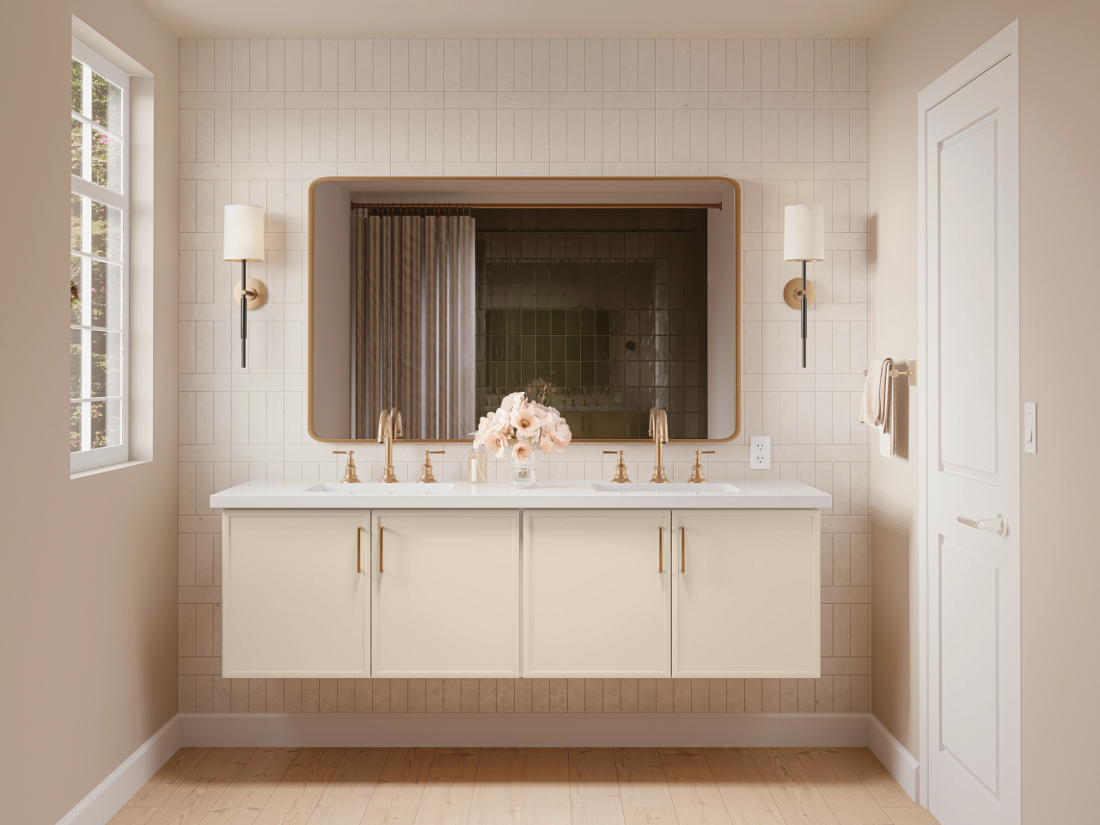
Warm Neutrals and Earth Tones: Soft travertine creams, mushroom beiges, sandy taupes, calming greens, and greiges create a gentle backdrop that feels clean yet welcoming. These colors mimic sun-washed stones or sage dried grasses, offering a sense of stability and comfort without institutional coldness.
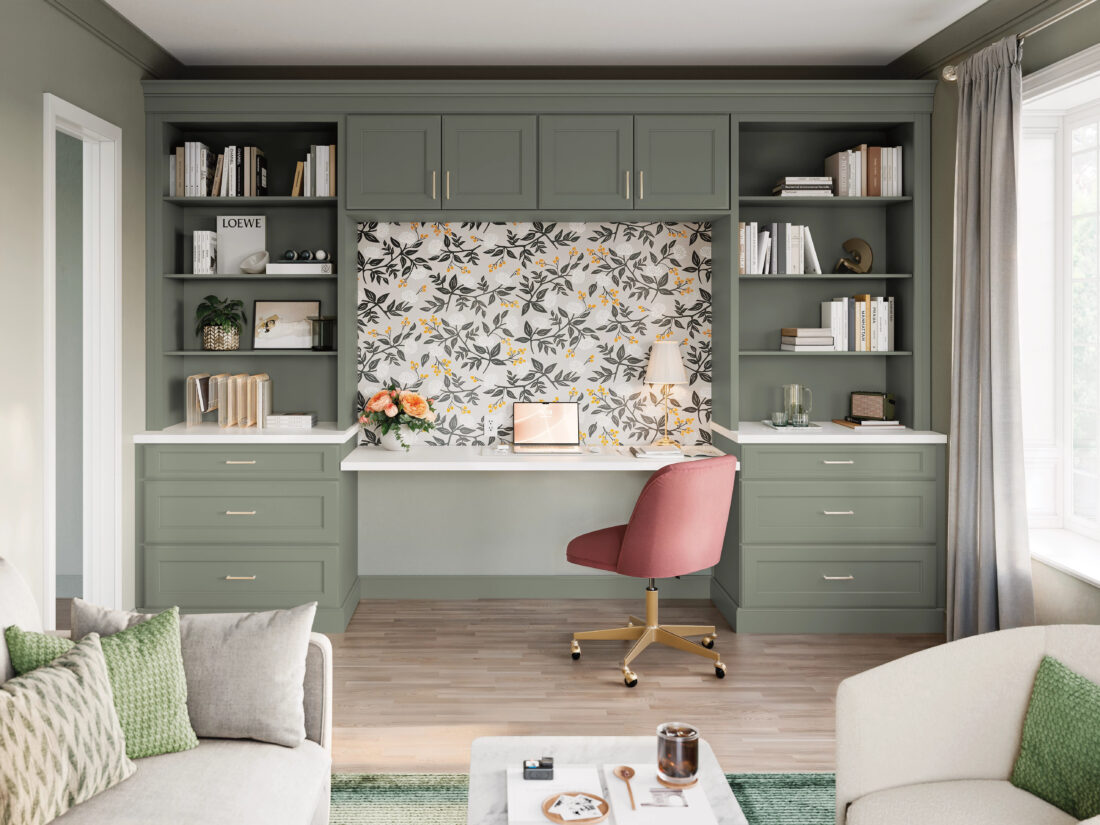
Biophilic Greens: Sage, olive, moss, and soft eucalyptus tones have become favorites. Used on lower cabinets or as accent walls, these shades evoke healing forests and fresh growth. They work especially well in pediatric units, mental health areas, and long-term care facilities where calm is essential.
Gentle Blues and Teals: Muted navy, powder blue, and watery teal bring the serenity of sky and sea indoors. These colors promote trust and clarity while balancing warmer neutrals. A popular two-tone approach pairs light creamy uppers with deeper green or blue lowers, adding depth and dimension that guides the eye naturally through the space.
These cabinet colors are selected not only for beauty but also for their ability to hide minor wear while maintaining a fresh appearance under demanding healthcare conditions.
Solid Surface Materials: Seamless Nature at Your Fingertips
Solid surface materials excel in healthcare because they are non-porous, seamless, repairable, and highly hygienic—qualities critical for infection control. Their real power, however, lies in how beautifully they can replicate and extend natural aesthetics:
Contemporary solid surface collections feature warm, organic patterns that echo natural stone without the maintenance headaches. Creamy bases with subtle veining reminiscent of travertine or soft limestone canvas bring quiet elegance to countertops, integrated sinks, and nurses’ stations. These surfaces pair harmoniously with wood-toned or neutral cabinetry, creating a cohesive, layered look that feels grounded and timeless.
Designers are also embracing soft-colored solid surfaces in rich brown mochas, soft blue veining, warm tan veining, flowing travertines, and warm sands. Because solid surface can be thermoformed into smooth curves and custom shapes, it allows for flowing, organic edges that mimic river stones or rolling hills—subtle biomorphic details that soften the overall environment.
Matte finishes are preferred over high gloss. These softer surfaces reduce glare, feel warmer to the touch, and better conceal everyday scuffs, contributing to a calmer visual experience throughout the day.
Practical Applications Across Healthcare Spaces
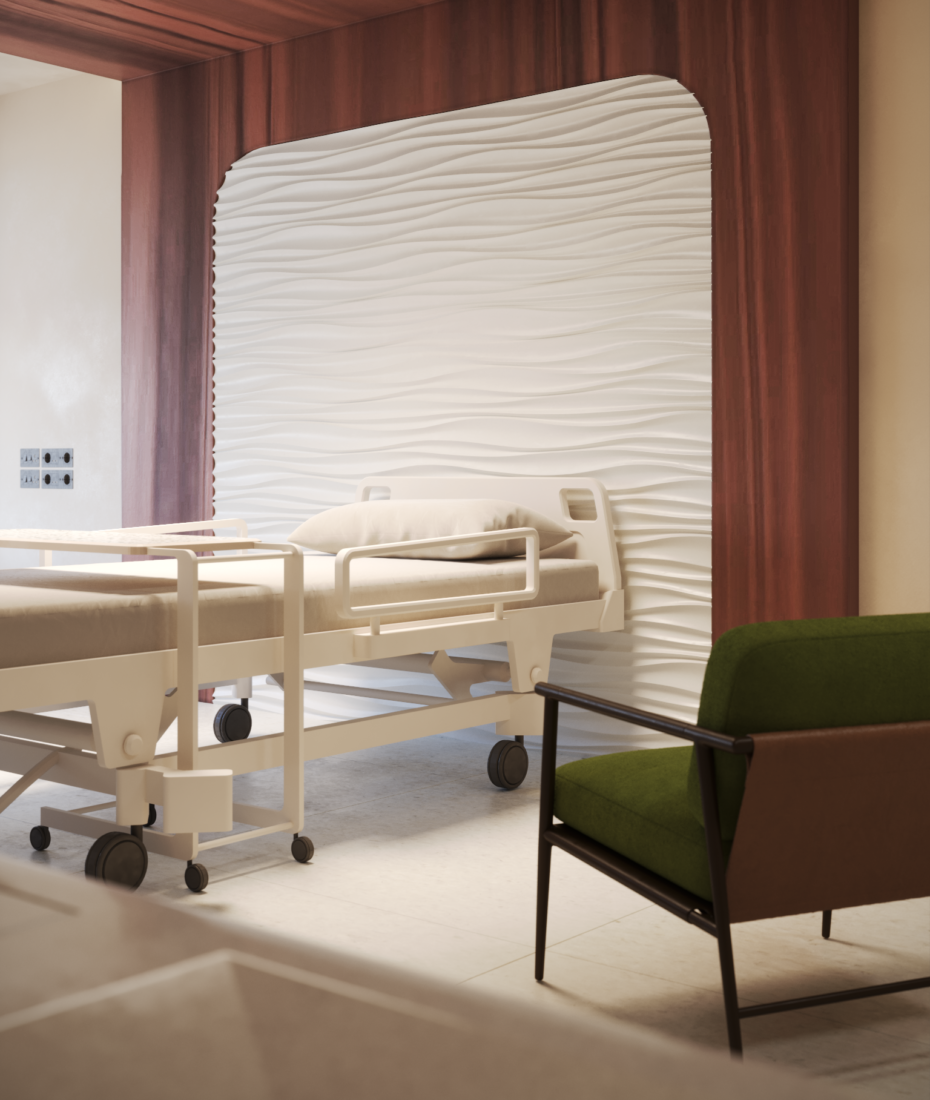
In patient rooms, a warm cream cabinetry base combined with a travertine-inspired solid surface countertop creates a peaceful sanctuary. Adding a feature wall in soft sage green or incorporating wood-look accents enhances the connection to nature while keeping surfaces easy to clean.
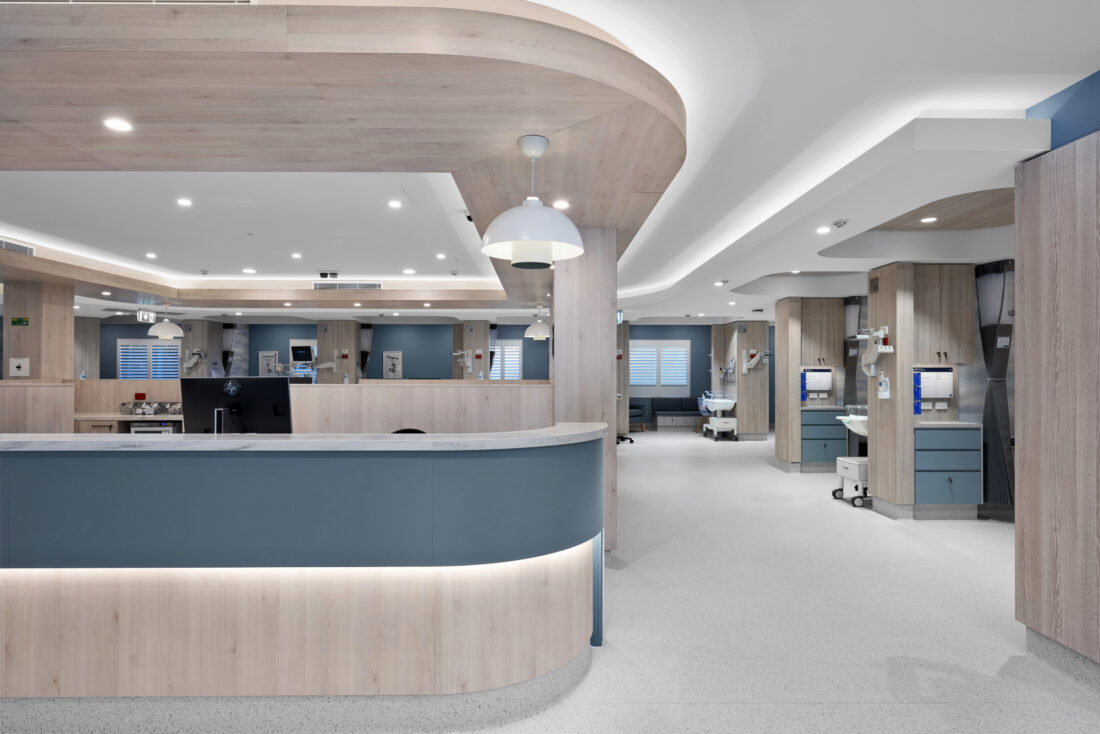
Nurses’ stations benefit from two-tone cabinetry—light neutrals above, deeper earthy tones below—with generous solid surface workspaces in creamy travertine patterns. This setup provides visual interest and functional zoning without clutter.
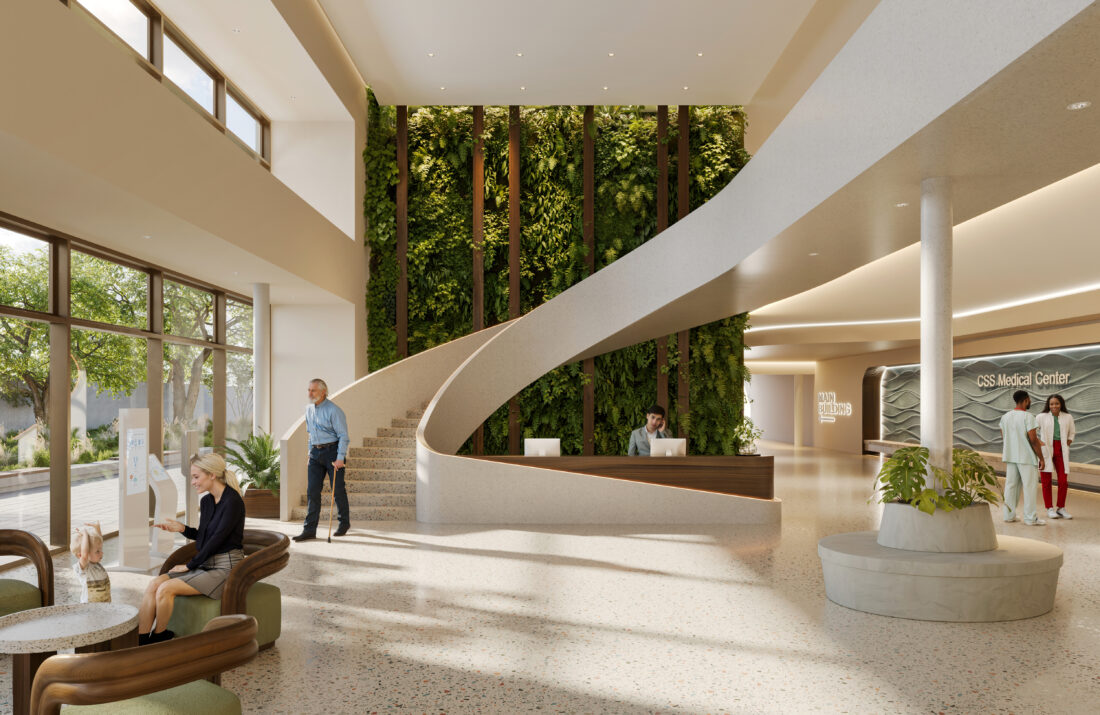
Waiting areas and lobbies gain warmth from biophilic palettes. Imagine reception desks with flowing solid surface fronts in gentle beige tones paired with sage cabinetry, complemented by natural light and textured wall panels.
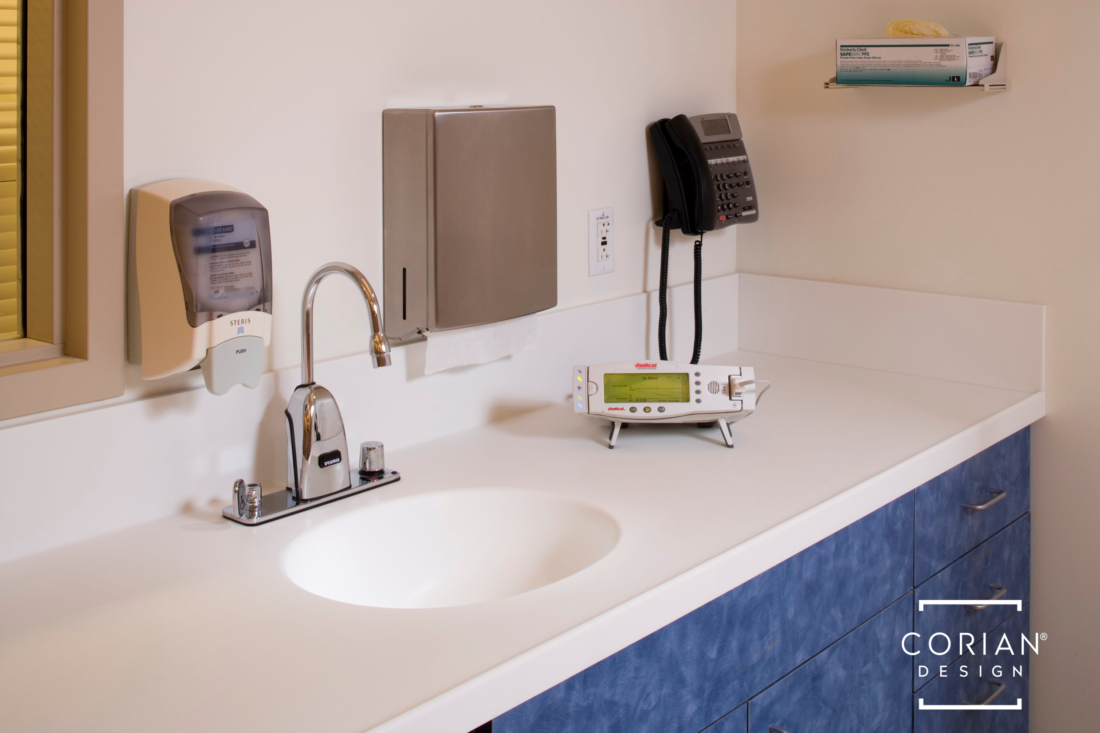
Procedure and exam rooms maintain a professional edge with off-white or greige cabinets and light neutral solid surfaces, while strategic green accents add just enough nature to ease patient nerves.
Layering for Deeper Impact
Successful biophilic healthcare design goes beyond single elements. Combining nature-inspired cabinet colors and solid surface materials with other features—such as filtered daylight, acoustic panels with organic patterns, indoor gardens, or nature-themed artwork—creates immersive environments. The key is harmony: colors and materials should feel cohesive rather than themed, supporting workflows while nurturing the human spirit.
The Future of Healing Spaces
As healthcare continues to prioritize holistic patient experience, integrating nature through thoughtful material and color choices is no longer a luxury—it is essential design. Warm travertines, earthy coffee browns, calming blue veining, and nature-mimicking solid surface finishes are helping transform clinical facilities into environments where healing feels intuitive and supported.
The result is spaces that respect the science of medicine while honoring the human need for connection with the living world. When patients and caregivers feel more at home in their surroundings, everyone benefits. Nature, brought indoors through intelligent design, becomes one of the most powerful healing tools available.

